
The Translator of Silence
Seeing Beyond the Stones
There is a specific kind of loneliness that can happen in the middle of a crowded European piazza or under the vaulted ceiling of a centuries-old cathedral. It is the feeling of the "glass wall." You are standing exactly where the guidebook told you to stand; you are looking at the sun-drenched facade or the ancient marble, and you recognize that it is beautiful. But you don’t hear its heartbeat. You are a spectator, skimming the surface of a story that remains stubbornly silent.
In the world of modern travel, we are often sold "access" - the right to skip the line or stand behind the velvet rope. But true access isn't about physical proximity. It’s about translation.
This is the fundamental difference between a guide and an expert. A guide shows you where to look; a historian tells you what the silence is saying.
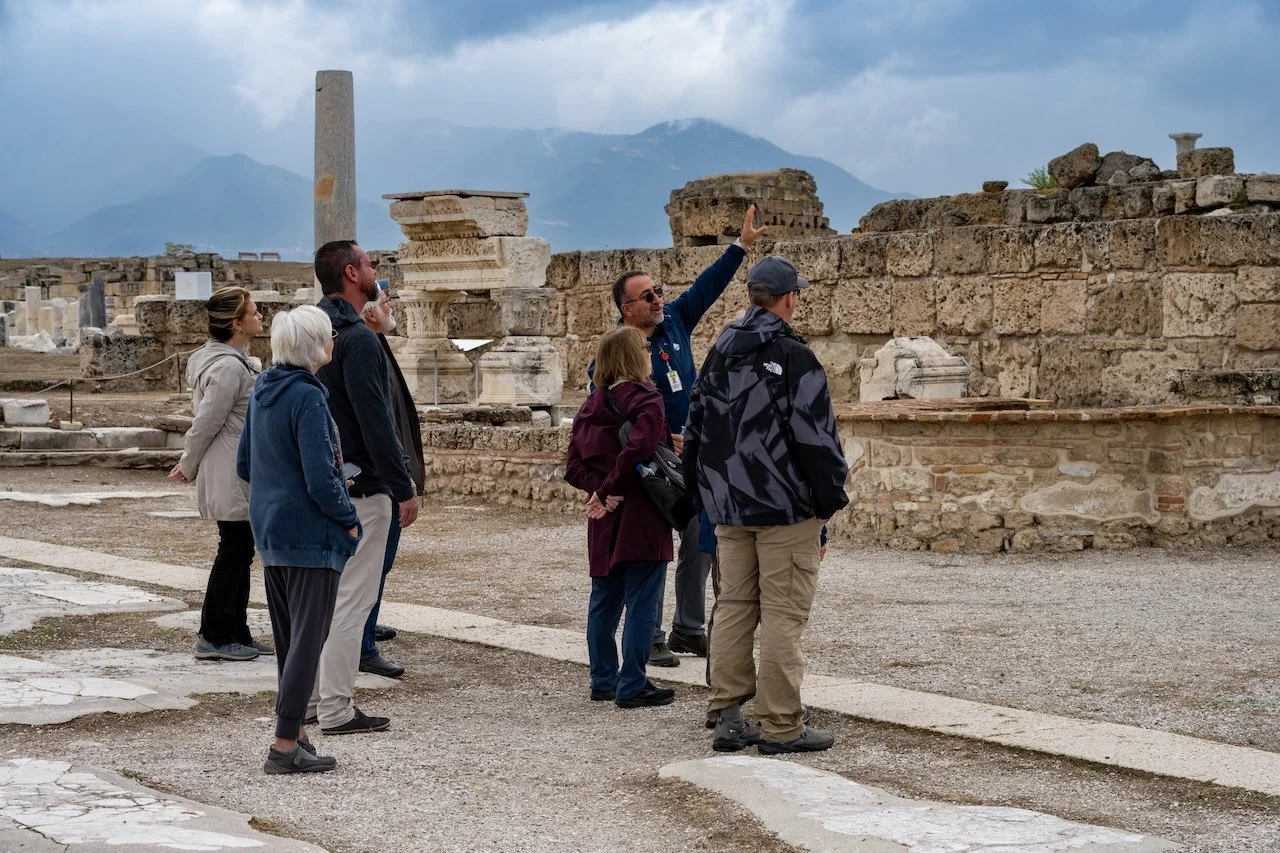
One of Dressler’s educated historians tells the stories you won’t hear elsewhere
Beyond the Scripted Patter
We have all experienced the "guide’s patter" - that polished, rhythmic delivery of dates and names that feels more like a performance than a conversation. It is a brochure come to life, designed to manage the clock and the crowd.
But at Dressler Detours, we’ve always believed that travel should be a counter-culture to the rush. When you step into a destination with a historian or a scholar, the script disappears. You aren't being led by a walking timeline; you are traveling with a living library.
An expert doesn’t just know that a castle was built in 1342; they know the scent of the fear that built it. They don’t just point out a 14th-century fresco; they explain why that specific shade of lapis lazuli blue cost more than a stable of horses, and how that one color tells the story of global trade routes and the vanity of a forgotten prince.
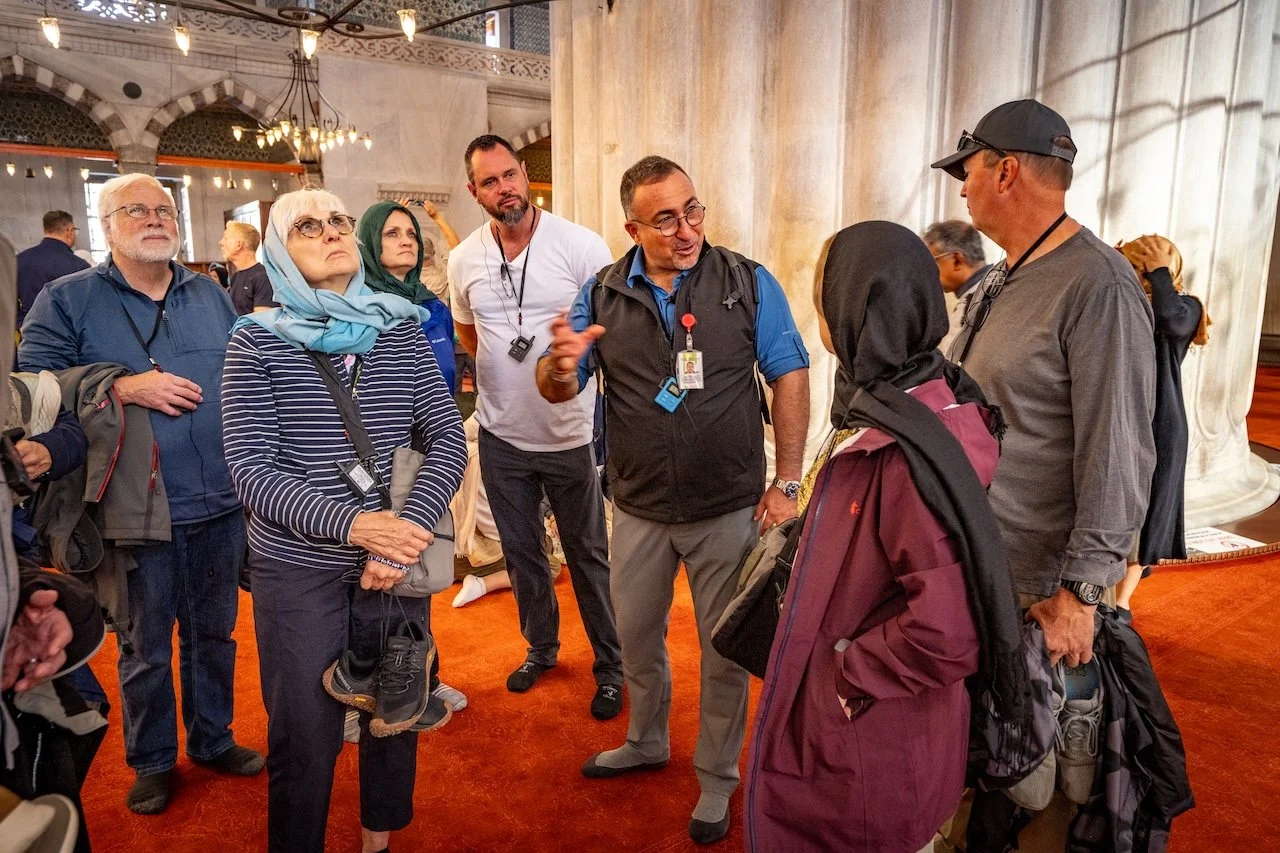
Several Dressler travelers “marinating'“ not in what is, but what once was
The Architecture of "Why"
History is rarely a clean, straight line. It is more like the sediment in a glass of unfiltered wine - thick with layers, nuances, and leftovers of what came before.
In the shadows of a Romanian monastery or along the rugged basalt walls of the Azores, an expert helps you visualize the invisible. They reconstruct the atmosphere of a moment, helping you see not just what is, but what was. This is where the "marinating" happens—the slow, deliberate process of letting a place soak into your consciousness until it no longer feels foreign. You begin to understand the human thread that connects a medieval farmer’s struggle to the rhythm of the local market you visited that morning.
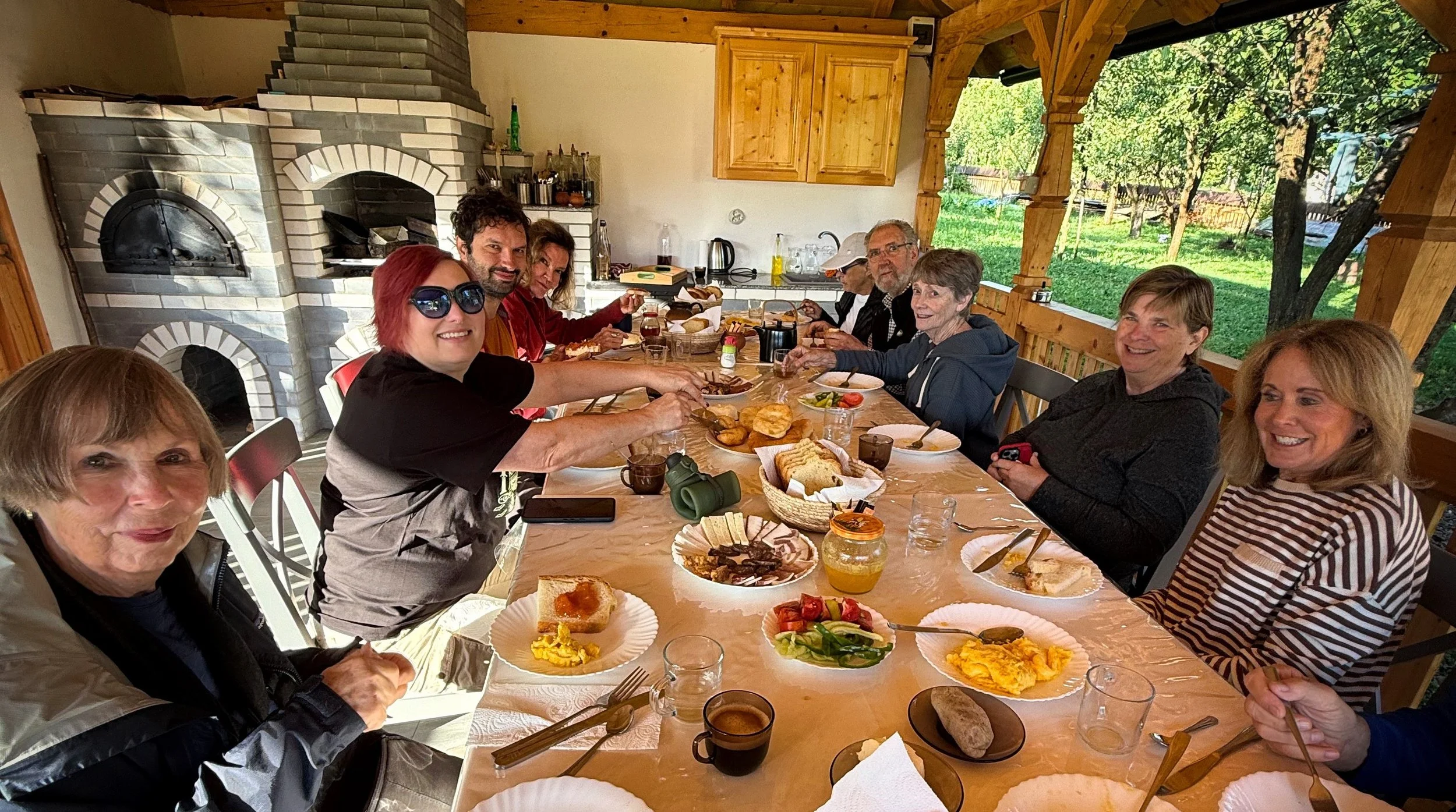
Travelers on a Dressler Detour experiencing an unhurried dinner together; a moment together they won’t forget
The Mobile Seminar
Perhaps the greatest luxury of traveling with an expert isn't what happens at the monument, but what happens afterward.
It’s the "mobile seminar" that takes place over a long, unhurried dinner or a glass of local Malvazija. In a world of 280-character thoughts, there is a profound joy in the luxury of nuance. When your leader is a scholar, the inquiry doesn't end when the sun goes down. The conversation flows from the site to the table, becoming as fluid and natural as the travel itself.
You aren't just memorizing facts to take home; you are participating in a rolling debate about art, politics, and the human condition.
The Souvenir of Perspective
We often say that we don’t just travel to see new landscapes, but to gain new eyes. Most tours leave you with a camera roll of beautiful, anonymous places. A Detour, led by an expert, leaves you with a shift in your internal geography.
When you return home, the "glass wall" hasn't just been bypassed, it has been shattered. You realize that the stones aren't silent at all. They have been speaking the whole time; you simply finally found someone to help you hear them.
Ready to see the world through a different lens?
