
The Soundtrack of the Edge
A Sensory Journey Through Portugal
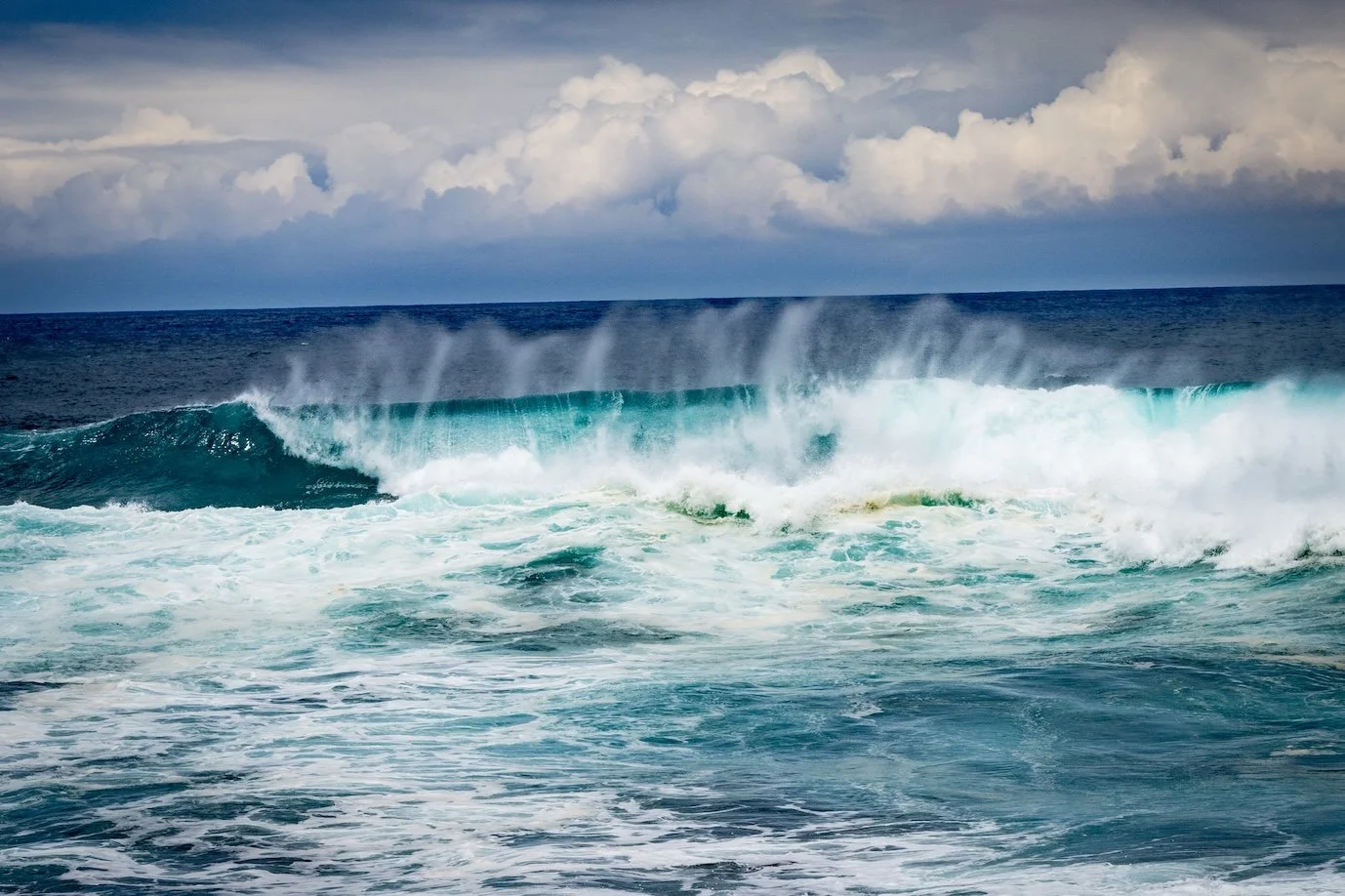
São Miguel’s waves are a symphony in blue, green, and white
Travel has become an intensely visual pursuit—we are trained to look for the perfect photo or the stunning viewpoint. But what happens if you close your eyes and just listen? Every destination has a unique acoustic signature, and Portugal and the Azores aren't just places to be seen ; they are places to be heard.
Think of our upcoming June 2026 detour not as an itinerary of sights, but as a carefully curated symphony—moving from the intimate human voices of the mainland to the raw, breathing earth of the mid-Atlantic
The Melancholy and the Roar
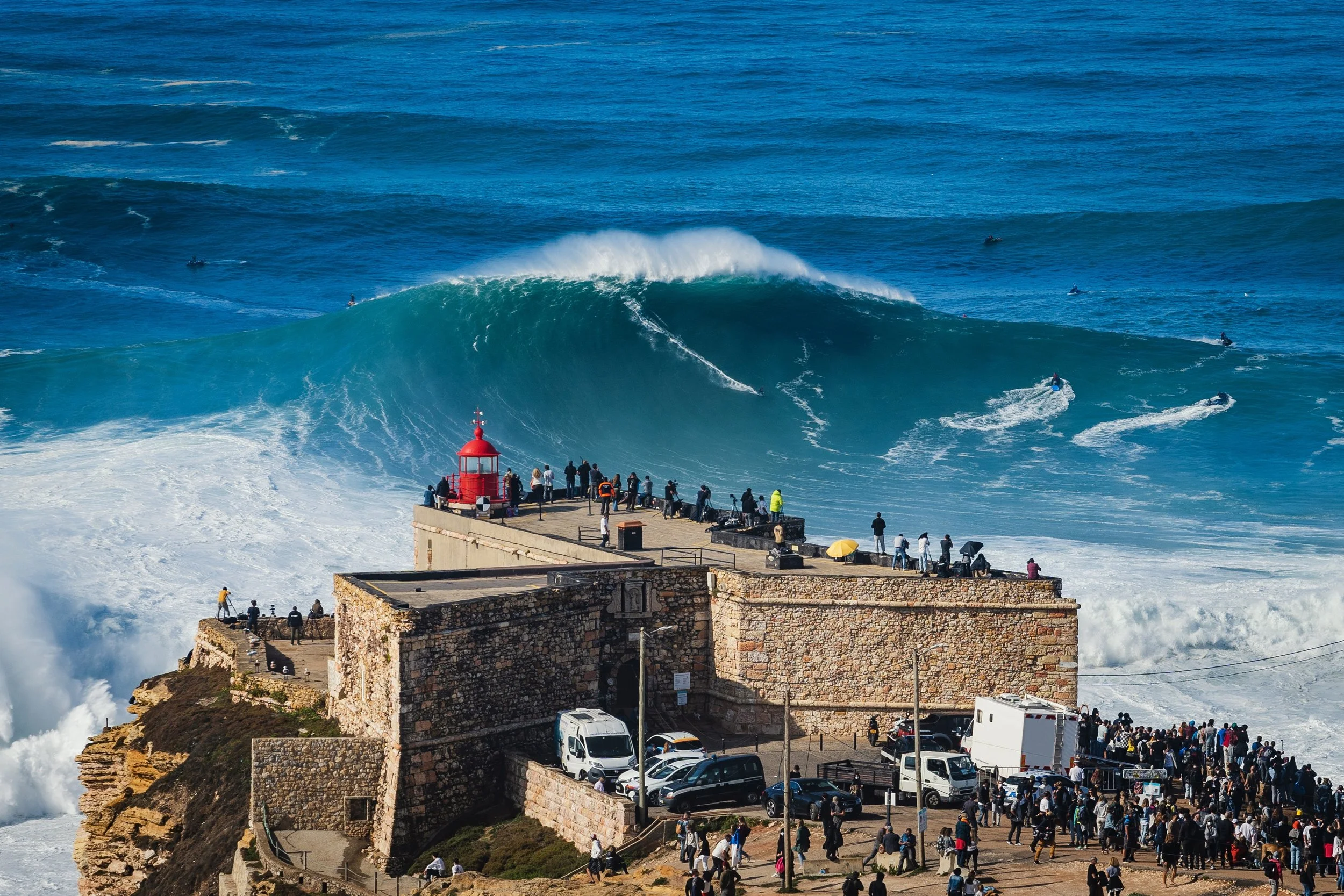
Nazaré’s roar is the sound of power and awe
Along the coast, there is an extreme example of nature's uncontrollable power. Look no further than The Giant Waves of Nazaré to see such power.
Further down the coast, the ocean speaks. The sound is a concussive, chest-rattling boom of the Atlantic hitting the underwater canyon. It’s a low-frequency roar that you feel in your bones before you even see the water —the sound of the ocean reminding us who is really in charge.
The Silence of the Stones
True silence is rare in the modern world, but isolation and patience have created pockets of profound, restorative quiet in Portugal’s interior.
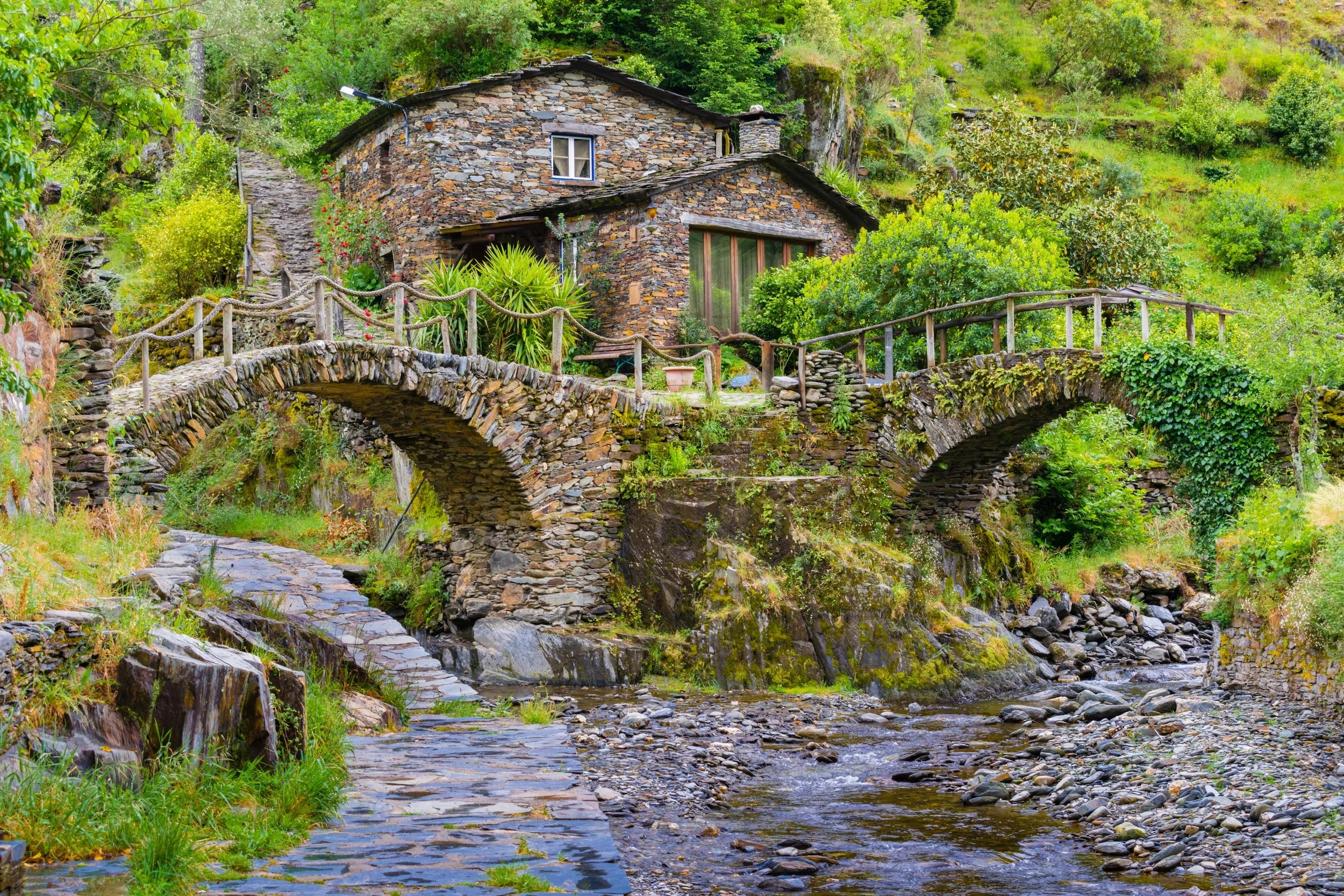
Piódão rests in stone silence
In Piódão, a village built entirely from local schist and slate, the acoustics are naturally insulated. The absence of modern vehicular hum is replaced by the muffled sound of footsteps on ancient stone. Because the village is an extension of the mountain itself, it sounds like stepping back three centuries—a deeply peaceful, unbroken stillness.
Similarly, in the Douro Valley, the true auditory magic happens at dusk. Once the day-trippers leave and the valley empties out, the overnight stay reveals the quiet reward of generations of slow, patient agricultural labor. The only sounds are the wind moving through the steep, mortarless stone terraces and the gentle lap of the Douro River against a wooden rabelo boat.
The Breath of the Earth
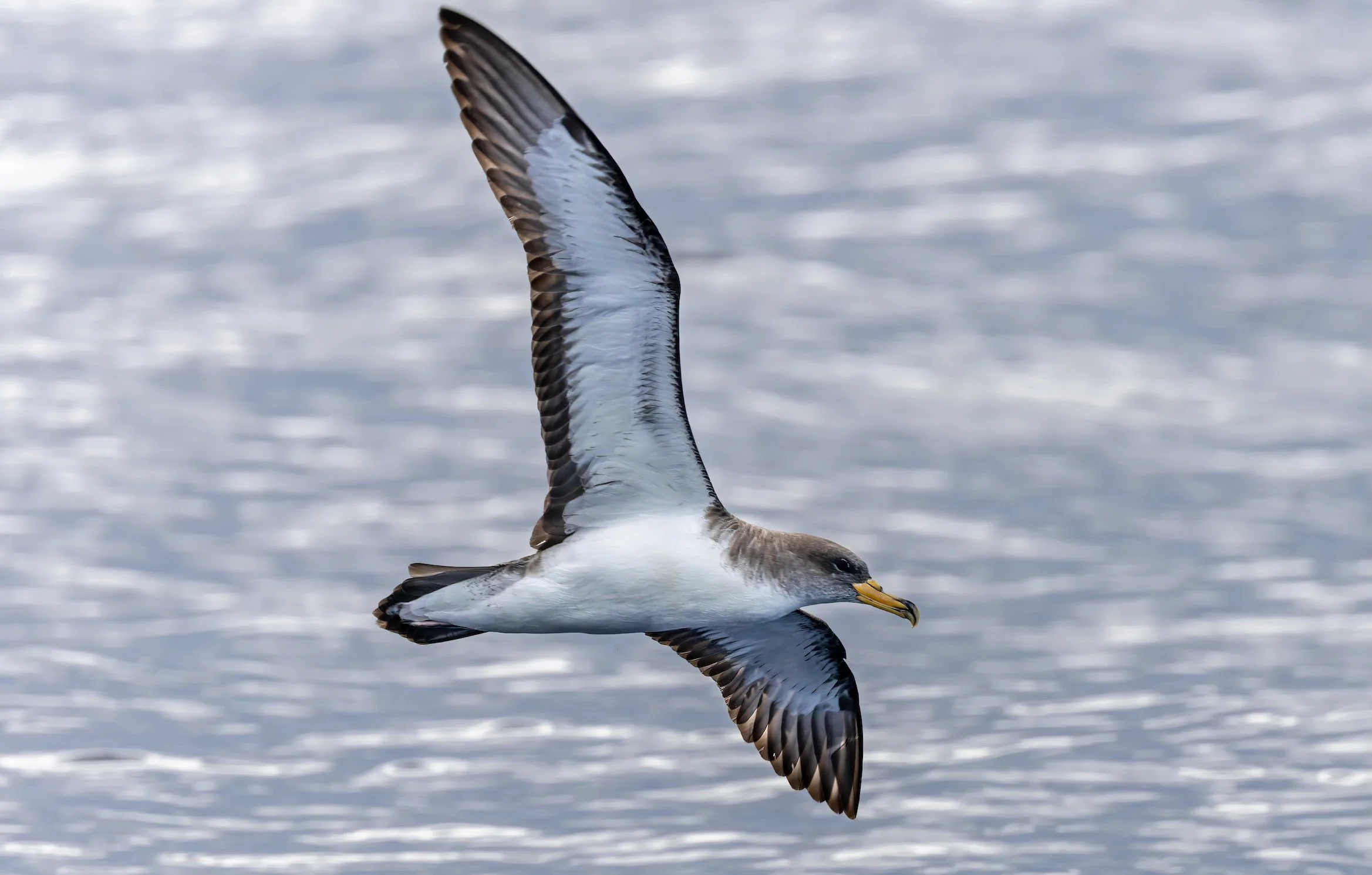
The Cagarro’s song of migration rings through the night
When we fly over the Atlantic to the Azores, the islands reveal themselves as a living, breathing entity… especially after the sun goes down.
When the sun sets, the islands come alive with the notoriously loud calls of Cory’s Shearwaters, locally known as Cagarros. The Azores hold approximately 75%–80% of the global population of these large seabirds, which return to the islands to breed between March and November. Males arrive in early March to claim burrows in the rocky cliffs, producing a bizarre, loud, gurgling, cackling, or "owa-owa-owa" sound, which continues from dusk until dawn. This intense noise lasts through the summer until the chicks fledge in October and November.
By day, the soundscape shifts back to the water. A few miles off the coast, the vast silence of the open ocean is suddenly punctuated by a sharp, explosive burst of air. It is the sound of a massive sperm whale breaking the surface after a deep dive to breathe, followed closely by the high-pitched clicks of dolphins riding the boat's wake. Out here, you are listening to the breathing of the planet's largest creatures.
The Echo You Bring Home
Visual memories can fade or be easily replicated, but the sounds of a place get deep into your memory. Long after you unpack your bags, the echo of the Fado guitar, the roar of the Nazaré surf, and the midnight calls of the Cagarros will stay with you.
Travel with us from June 14-27, 2026 to hear the rhythms of the Atlantic for yourself. Our small-group size allows for this kind of quiet, attentive travel—the kind that doesn't just show you the world, but lets you truly listen to it.