
Antarctica
Small-Ship Discovery Expedition
9 nights/10 days: March 17-26, 2028
Full-Ship Charter ABoard the Magellan Discoverer
Expedition highlights
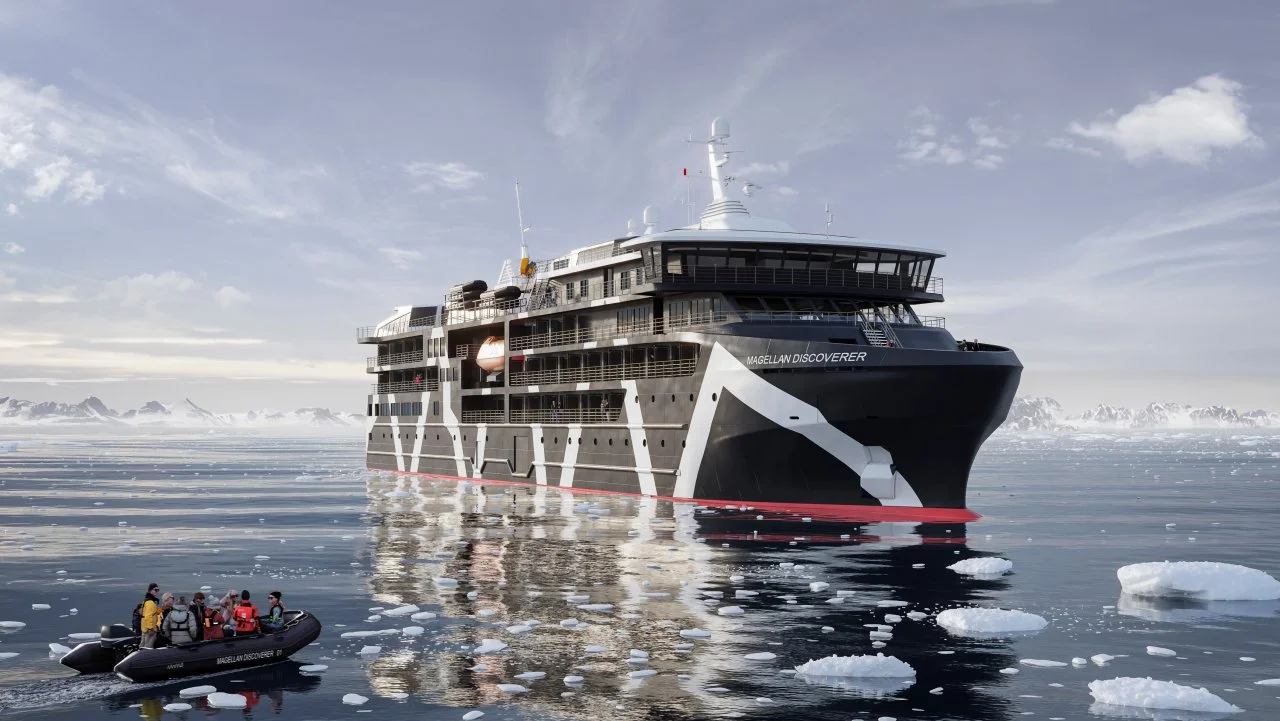
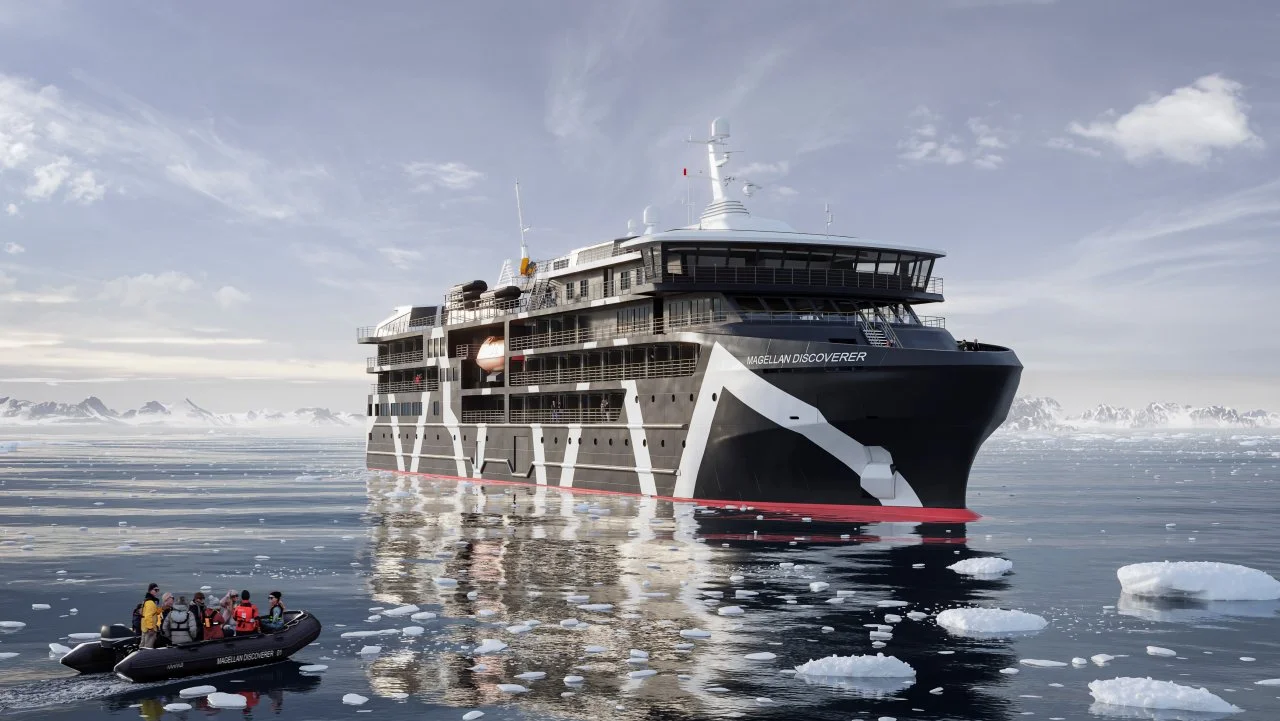
Full-Ship Charter: Aboard the brand-new Magellan Discoverer, South America’s first hybrid-electric polar expedition vessel
Expert Expedition Team: Seasoned polar guides and scientists illuminating wildlife, ecology, and Antarctic history
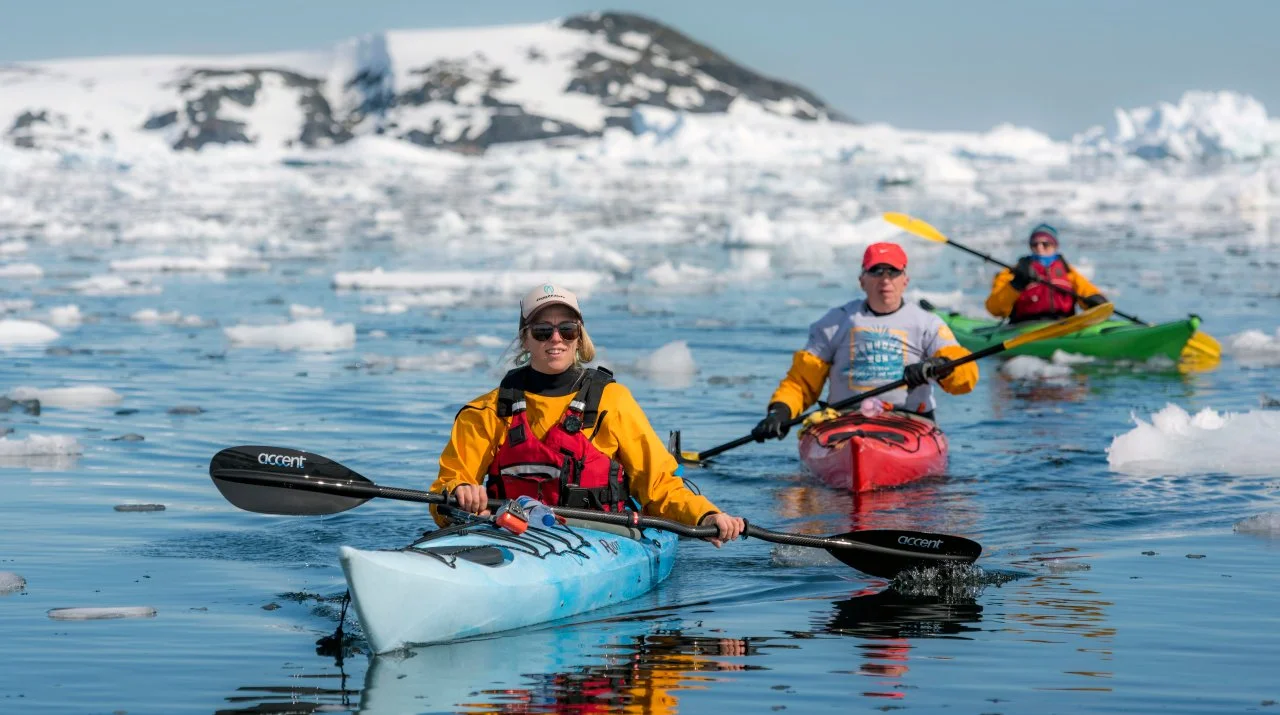
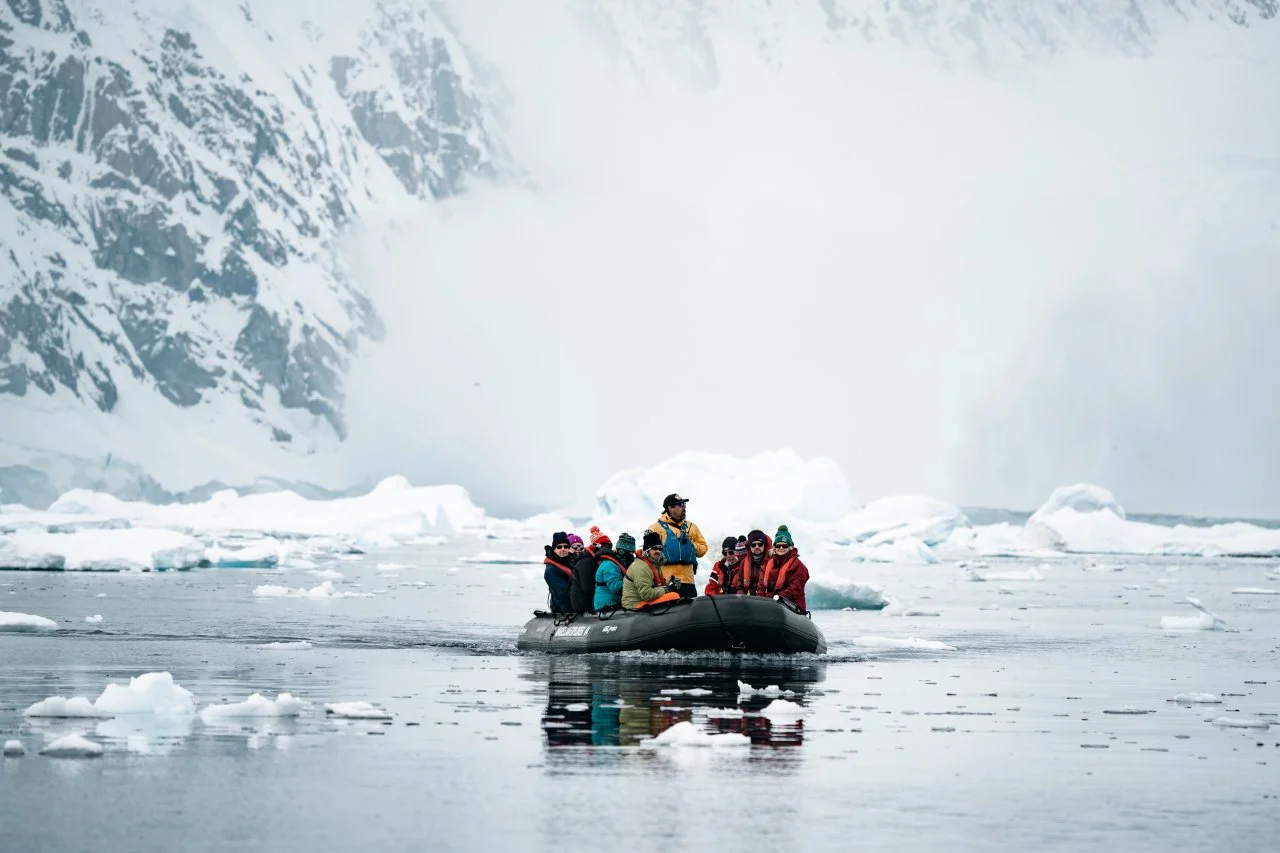
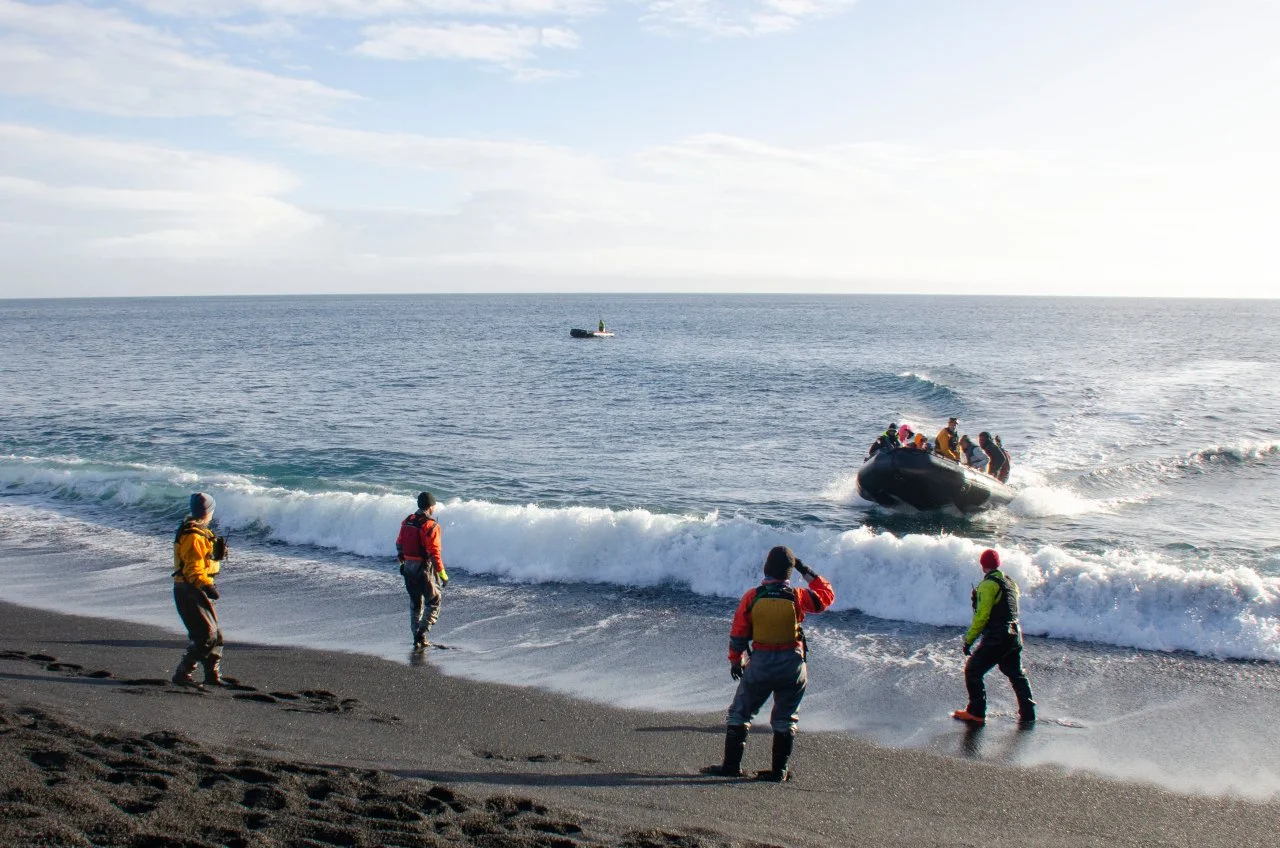
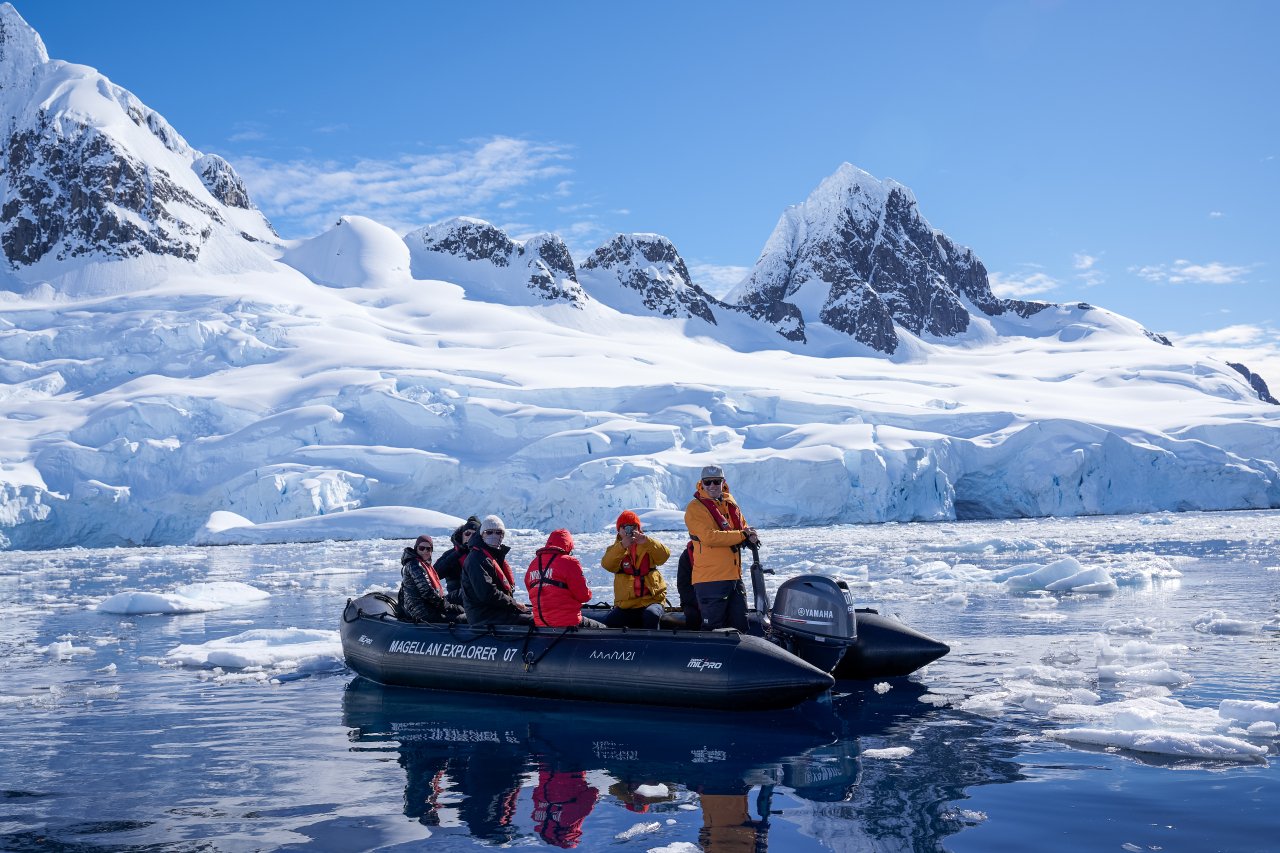
4 Days Exploring the Antarctic Peninsula: Multiple daily Zodiac landings and guided shore excursions (weather permitting)
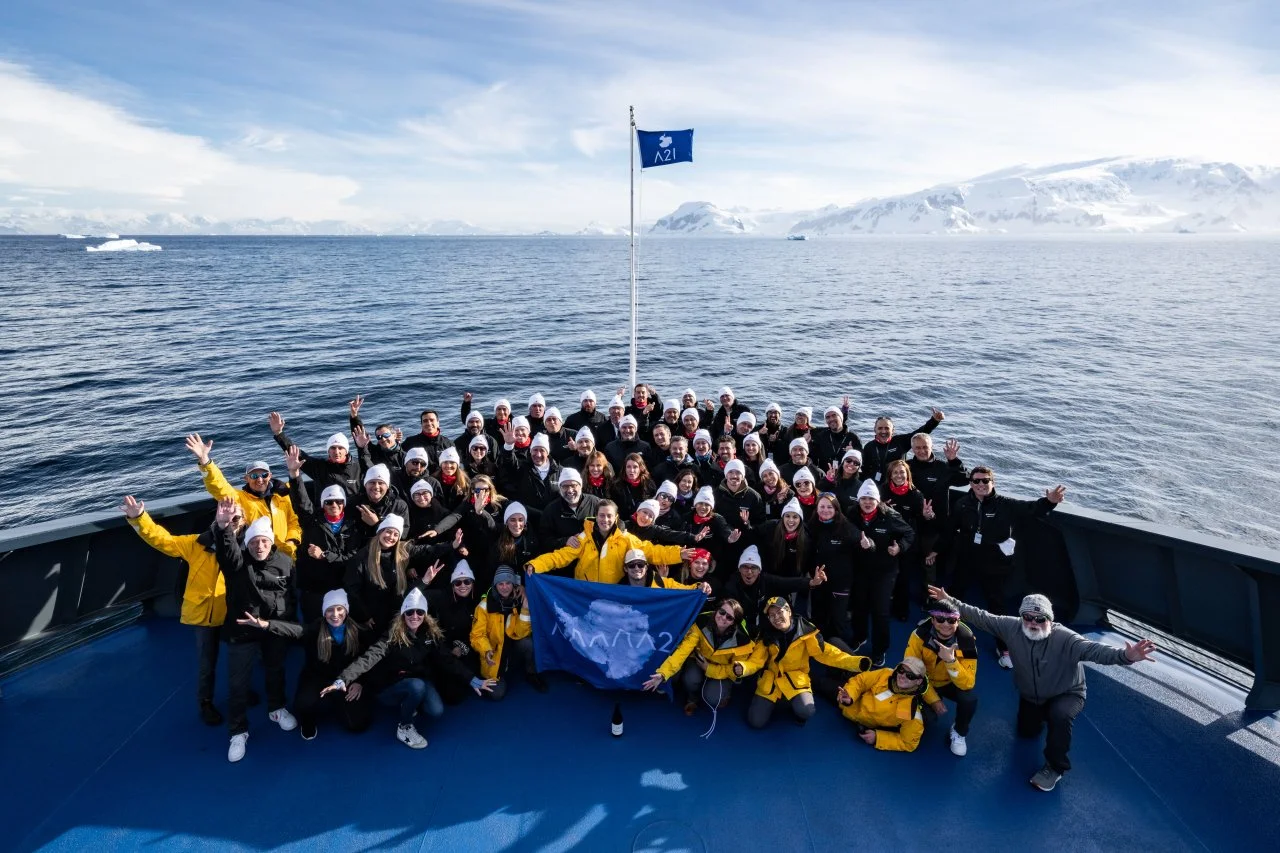
A Floating Community of Like-Minded Travelers: Fewer than 100 guests united by curiosity, depth, and a shared spirit of exploration.
All-Inclusive: All excursions, expedition team, lectures, waterproof boots, wine and beer with meals, and daily beverages included
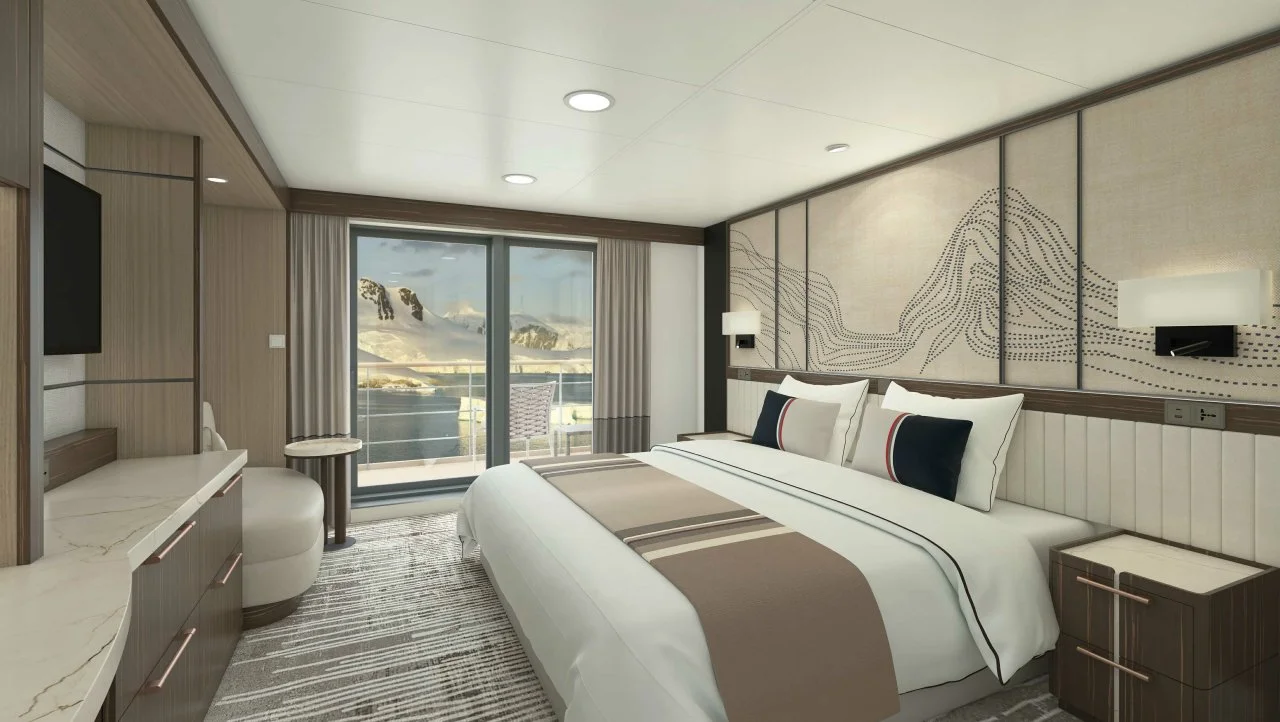
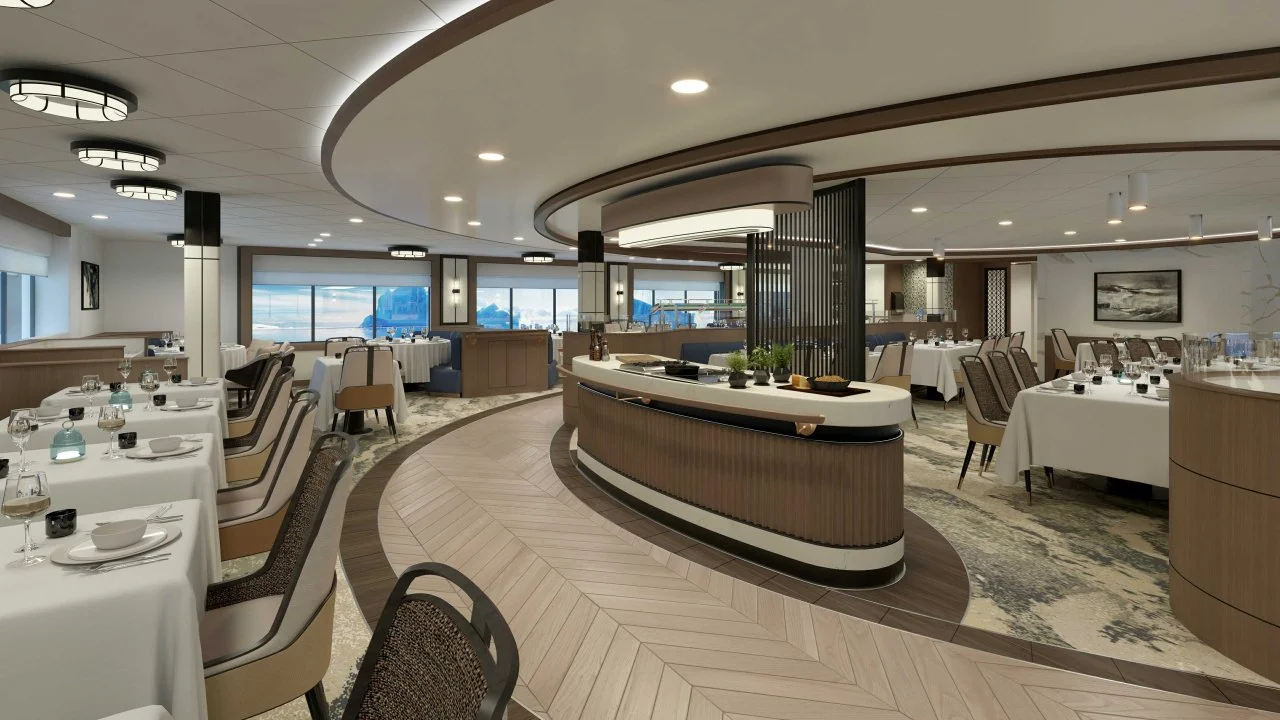
Small-Ship, All-Balcony Accommodations: Private balconies, wraparound observation decks, single seating dining
itinerary
“Antarctica has this mythic weight. It resides in the collective unconscious of so many people, and it makes this big impact. ”
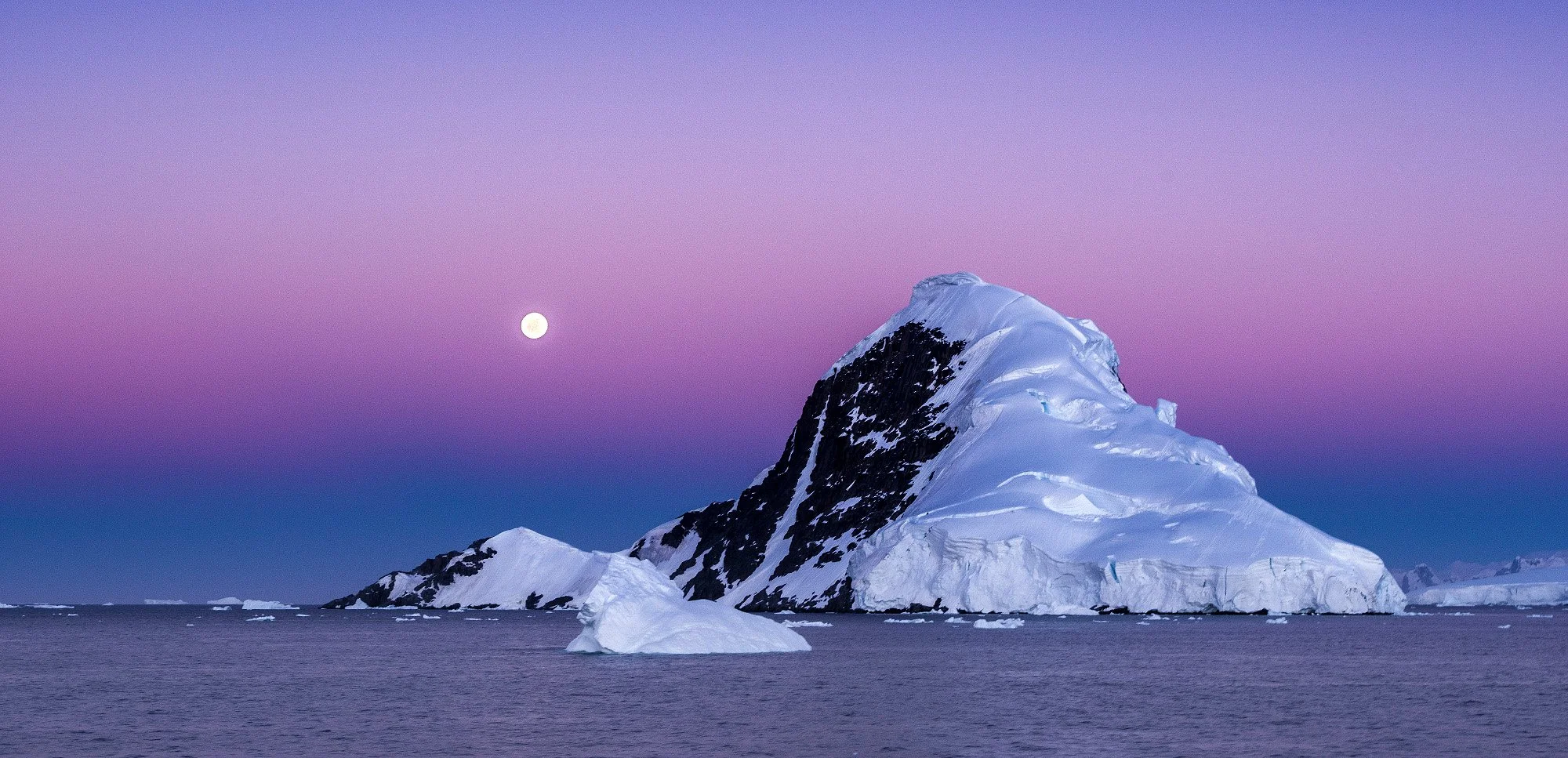
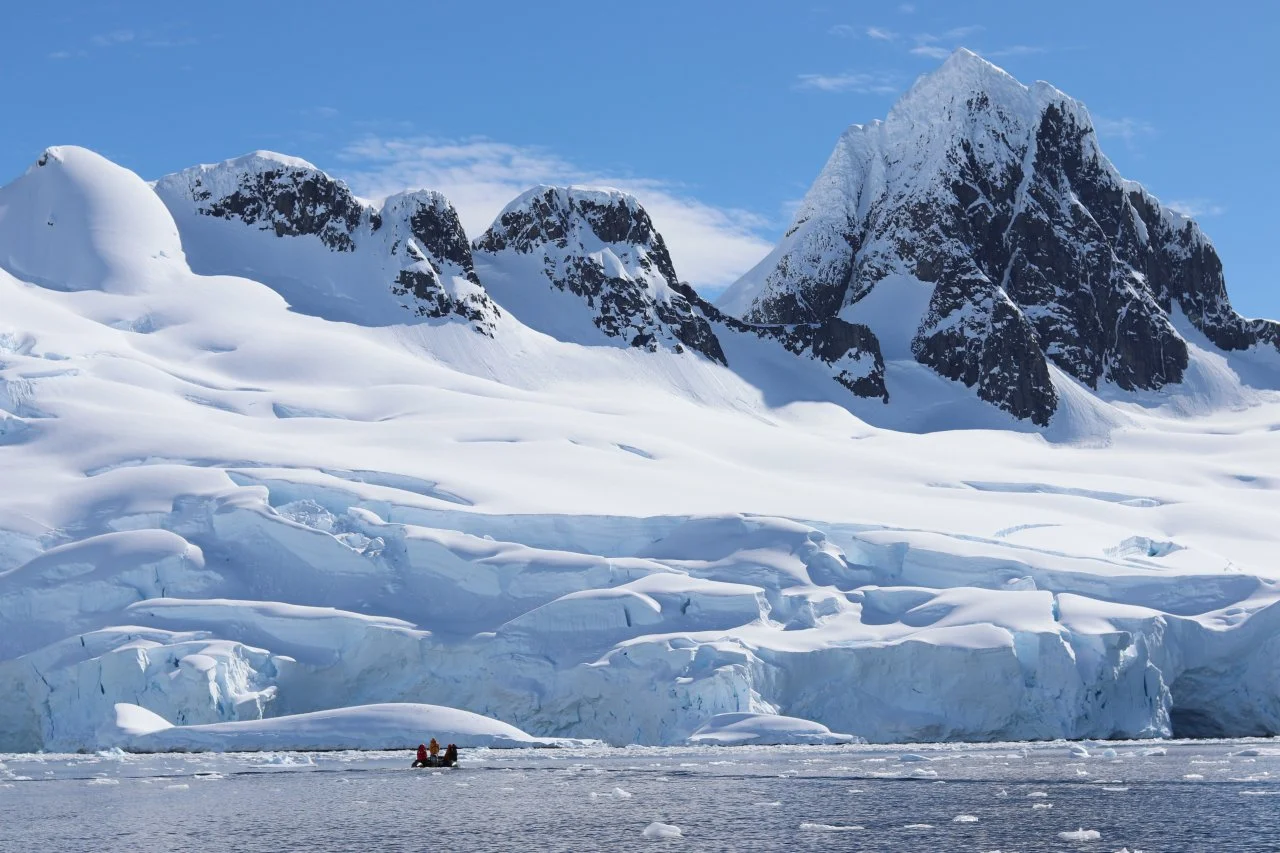
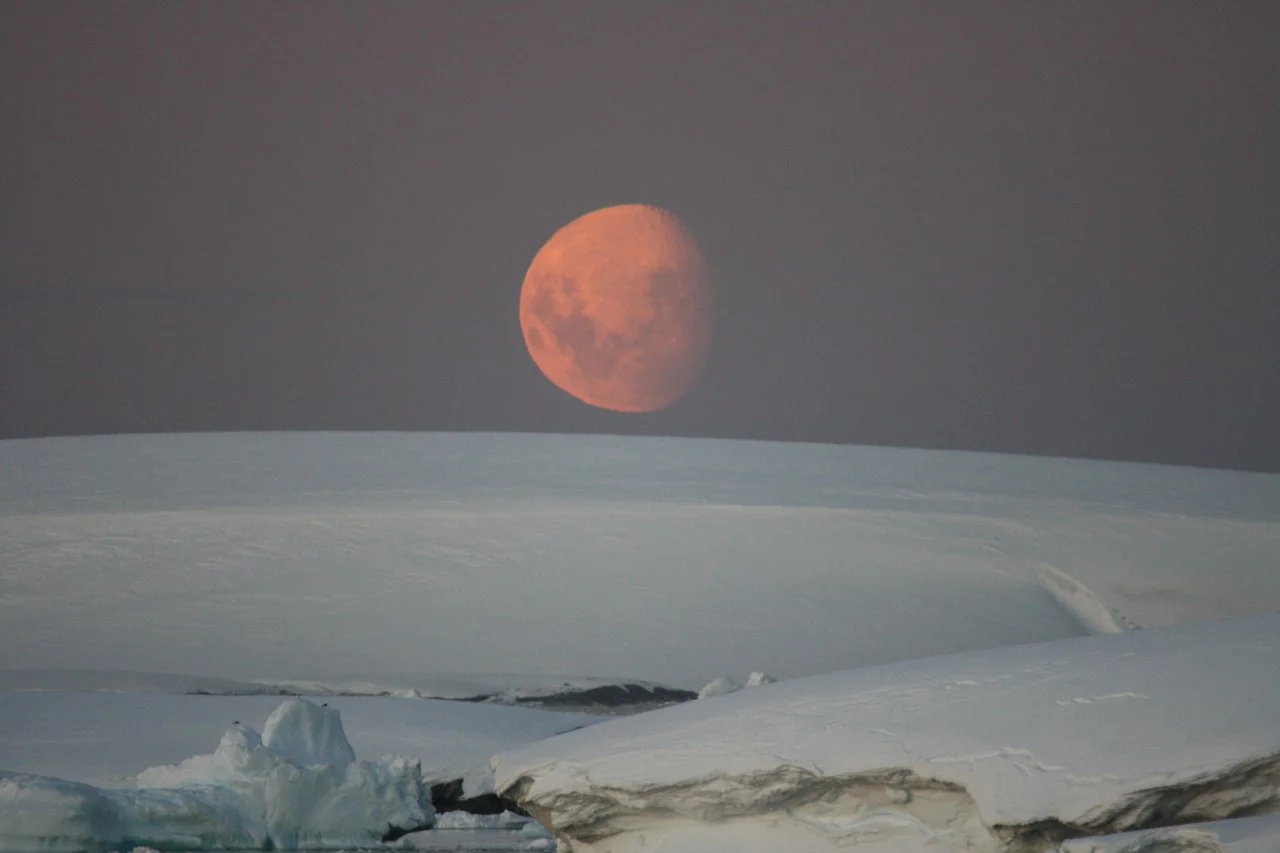
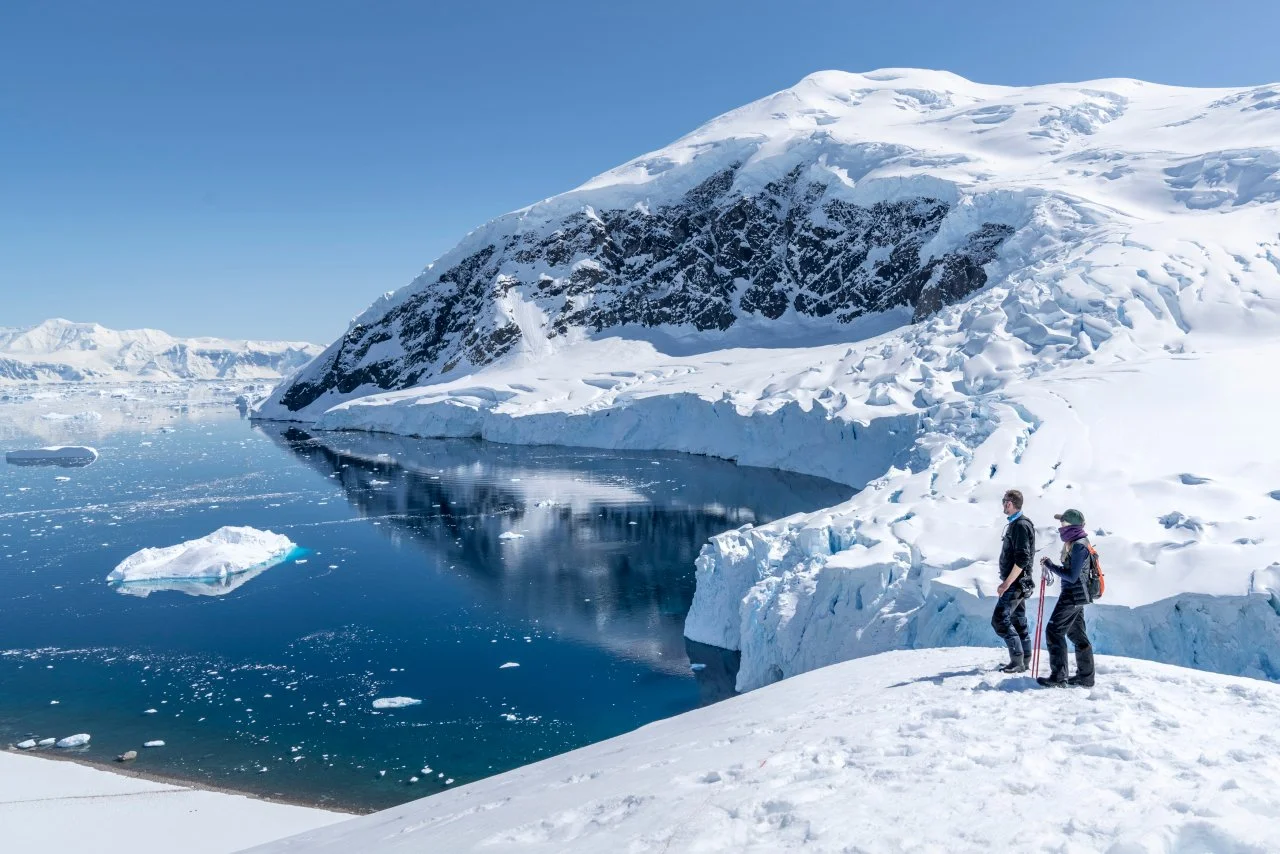
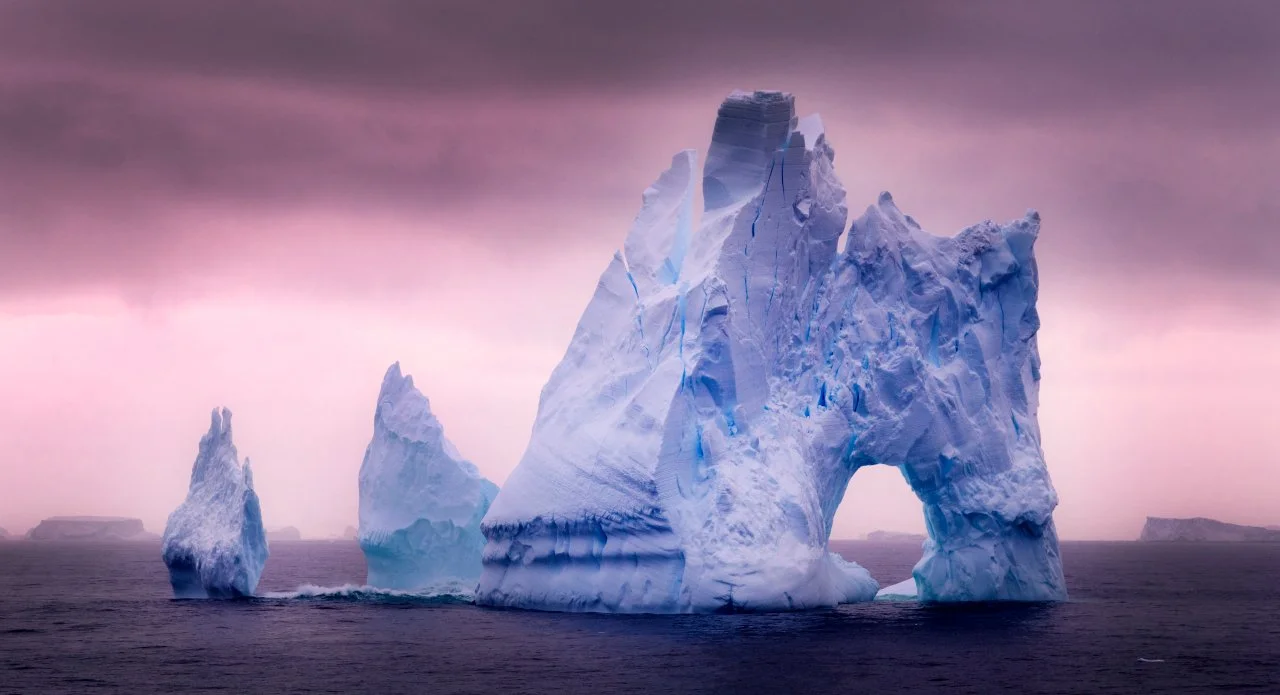
Antarctica is not a destination in the usual sense. It is scale beyond comprehension. Silence that recalibrates you. Wildlife that moves without fear of humans. Ice that holds the memory of the planet—layers of time pressed into blue and white. It is a landscape that resists ownership. There are no cities here, no borders in the traditional sense, no permanent human settlement. Only wind, water, light, and life that has adapted to the extremes. And it is fragile. The Antarctic Peninsula is both breathtaking and vulnerable—a place where climate change is not abstract but visible in retreating glaciers and shifting ice. To stand here is to witness beauty and responsibility intertwined. To visit Antarctica is not simply to observe it. It is to enter into relationship with it.
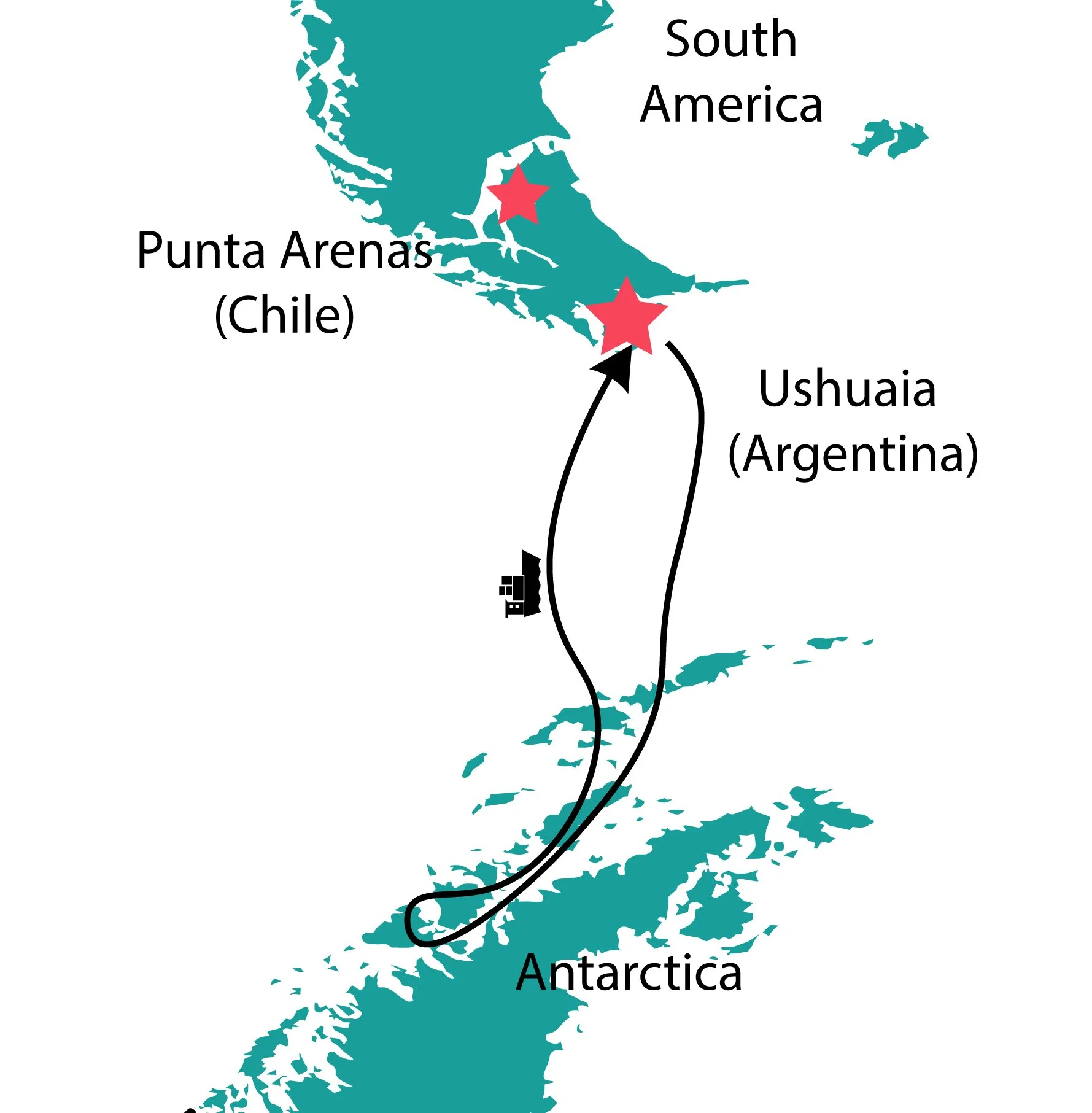
day 1: Ushuaia, Argentina | Embark
Friday, March 17, 2028
Our voyage begins in Ushuaia, at the southernmost edge of South America, where the Andes tumble into the sea and the wind carries the promise of open water. In the afternoon, we board our expedition vessel, settle into our cabins, and gather on deck as we cast off. Sailing through the storied Beagle Channel, we pass rugged peaks and quiet inlets, watching the last lights of town gradually fade behind us. There is a palpable shift as we turn south—toward open ocean, wider horizons, and the vast, white continent that awaits beyond the Drake Passage.
(Boarding is between 15:00 and 16:00.)
days 2-3: At Sea | Crossing the Drake
Saturday, March 18-Sunday, March 19, 2028
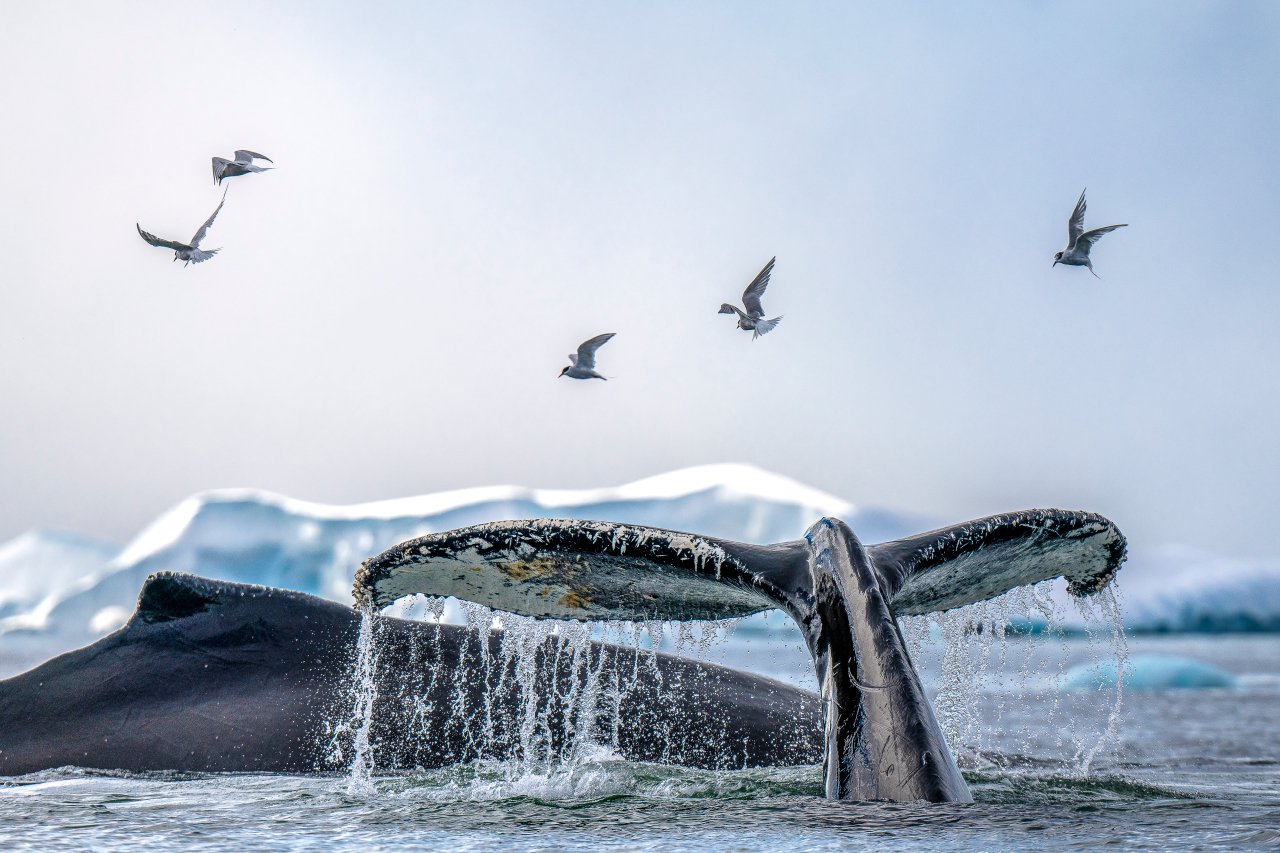
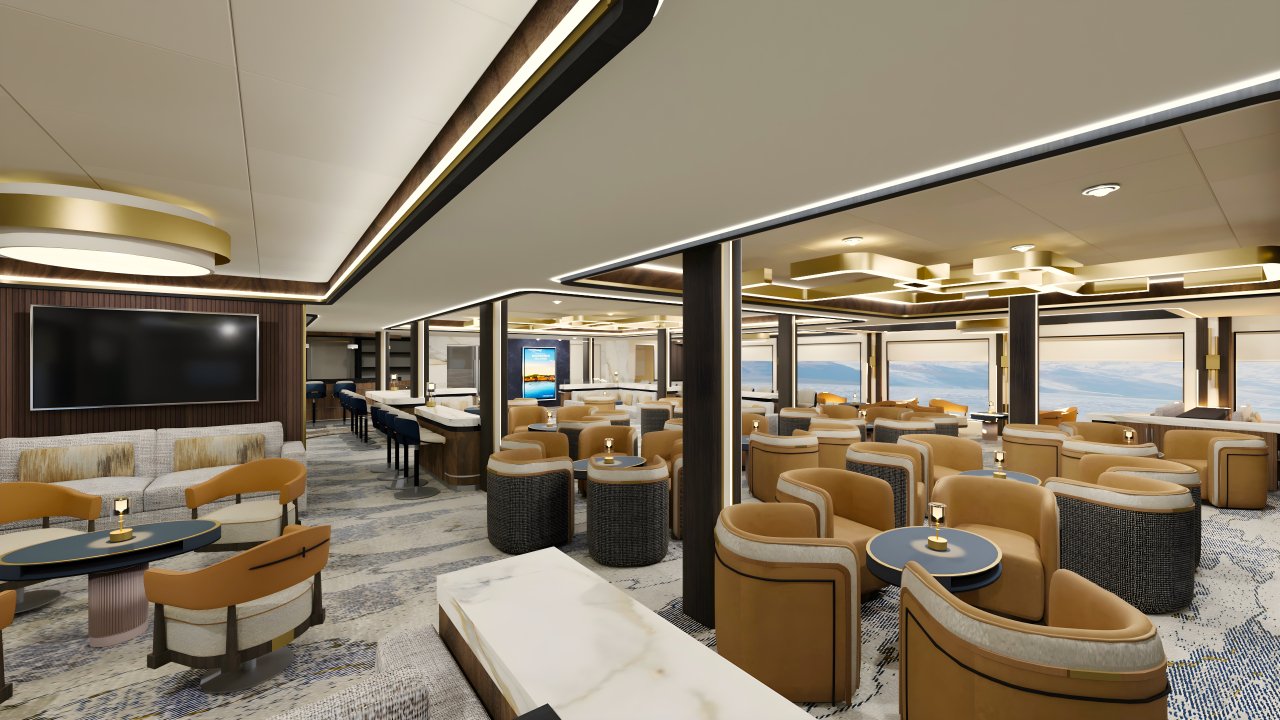
We sail south across the Drake Passage, that storied stretch of ocean marking the transition from one continent to another. These days at sea are not simply a crossing—they are an orientation, a gradual shedding of the familiar as we move toward a different scale of landscape and time. On board, we gather for lectures and conversations led by our expedition team, deepening our understanding of Antarctic wildlife, exploration history, and climate science. Between sessions, we step onto the deck or into the glass-enclosed lounge to watch albatrosses skim the waves and scan the horizon for whales. As we cross the Antarctic Convergence, the air cools, the sea shifts, and the first icebergs—and eventually Antarctic land—come into view.
dayS 4-7: Exploring Antarctica
Monday, March 20-Thursday, March 23, 2028
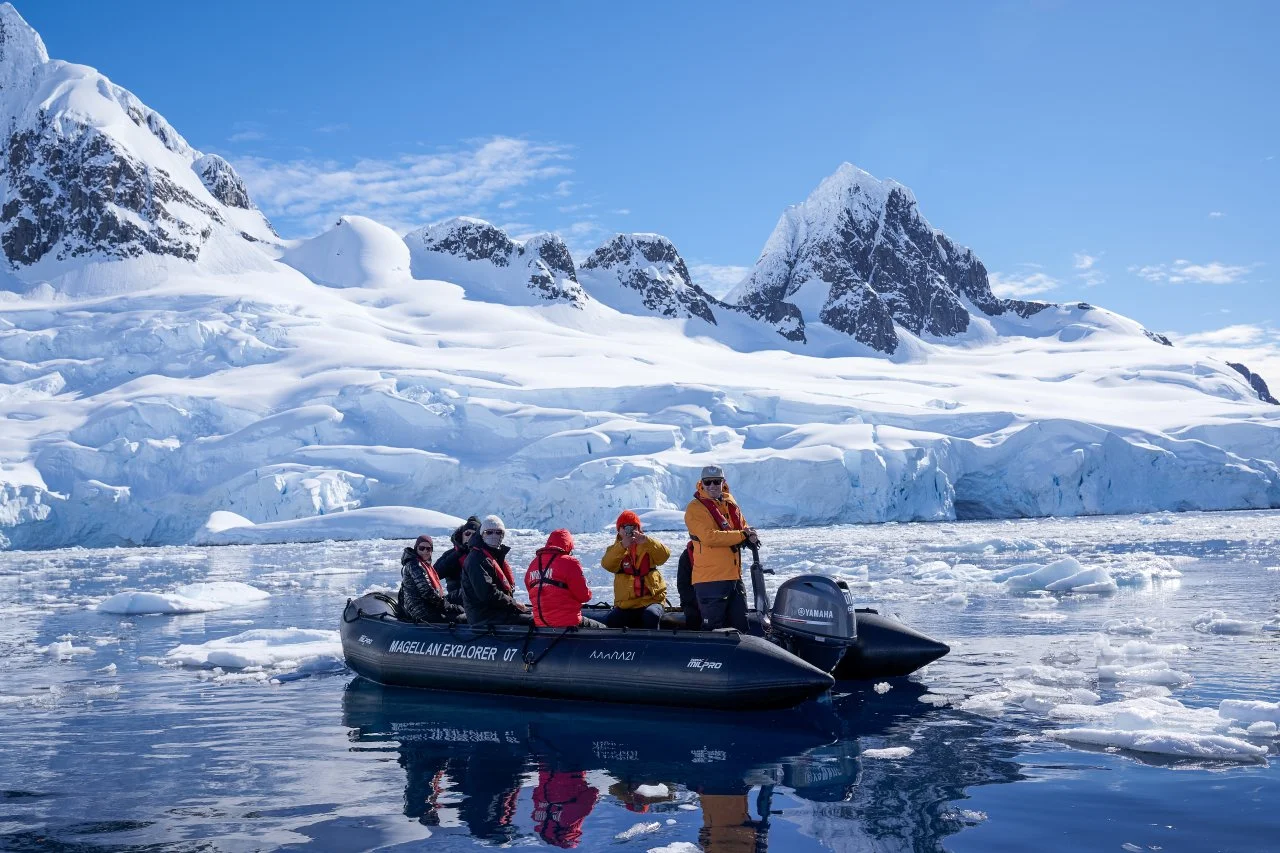
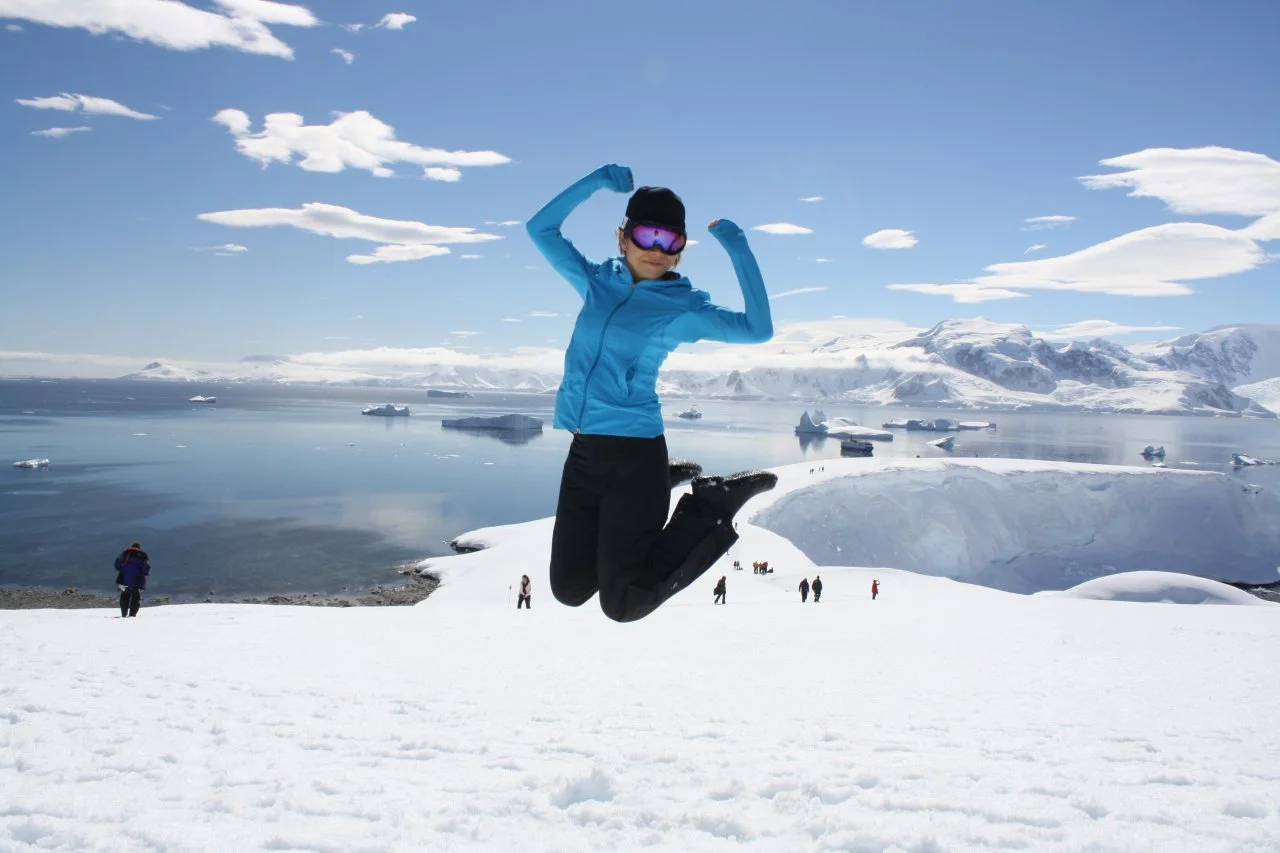
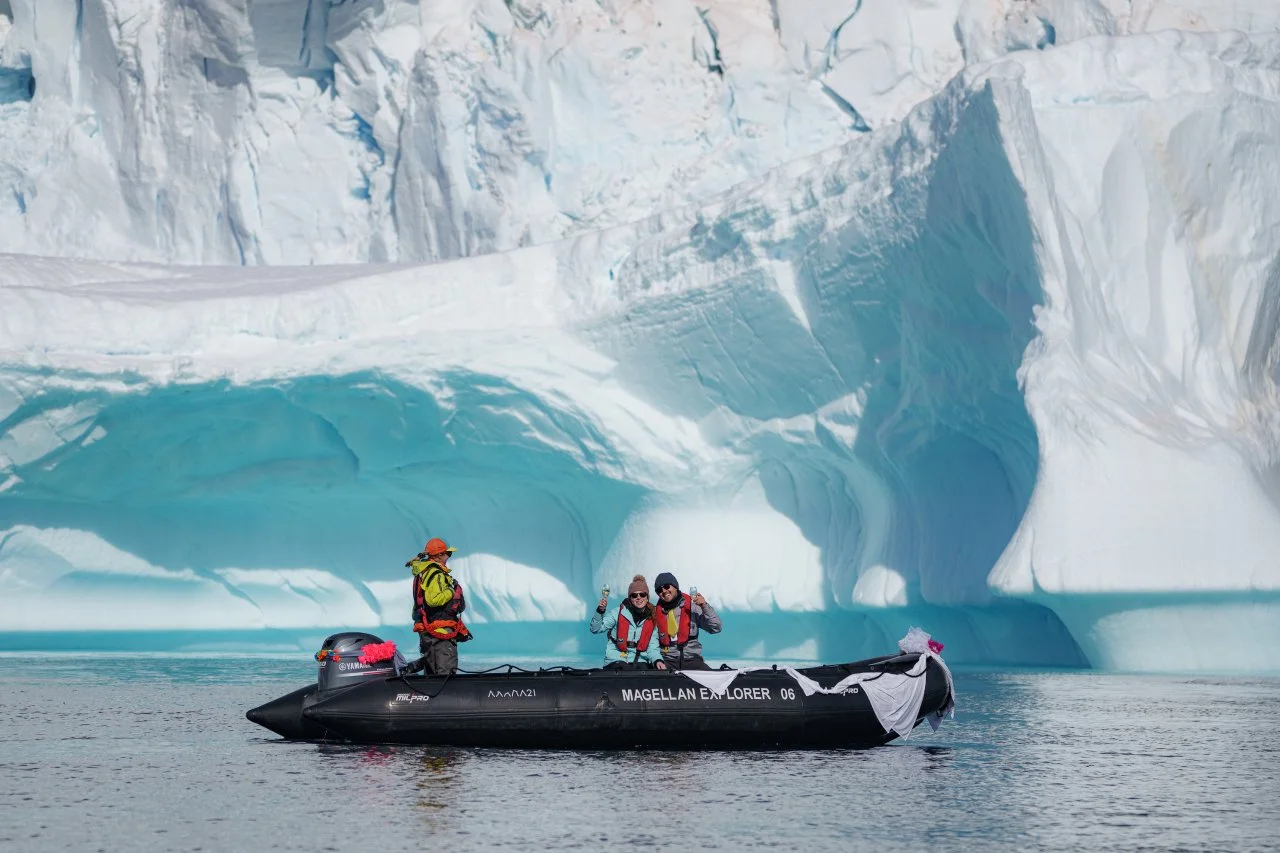
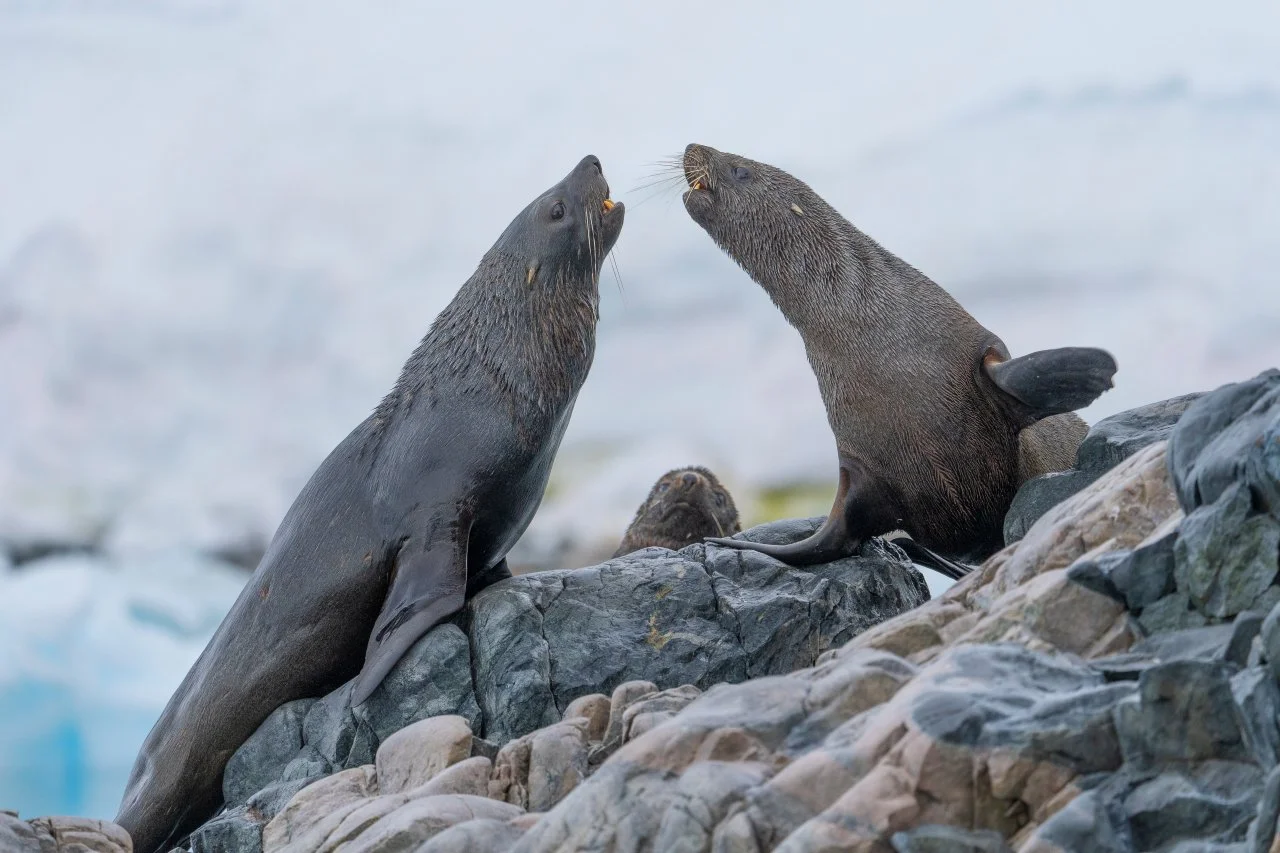
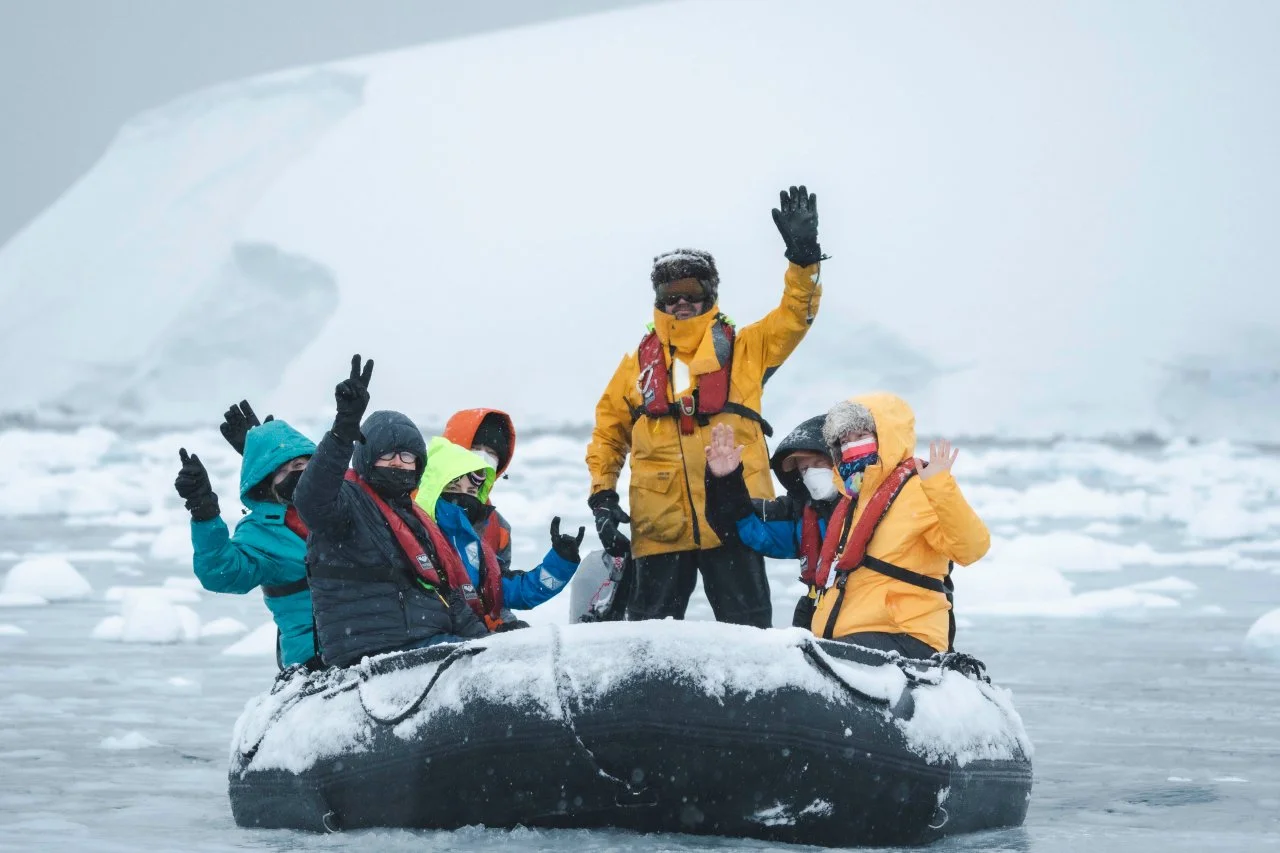
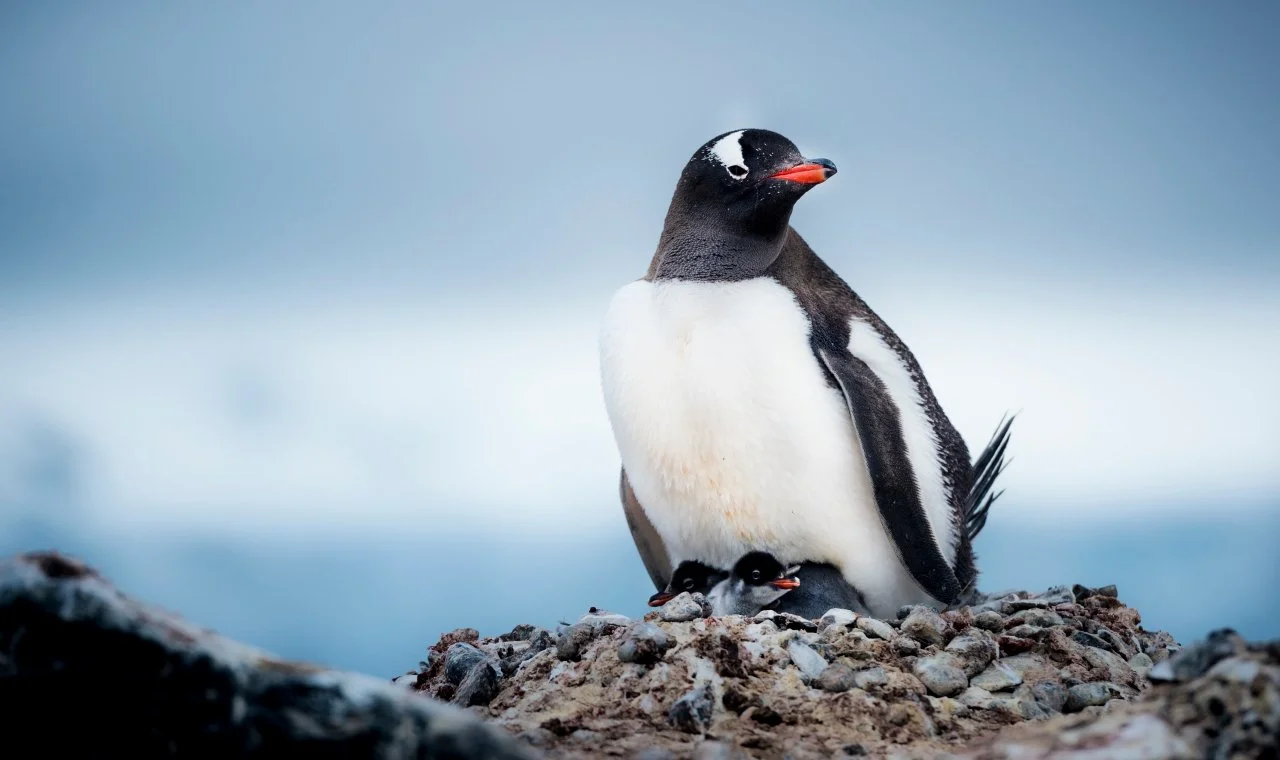
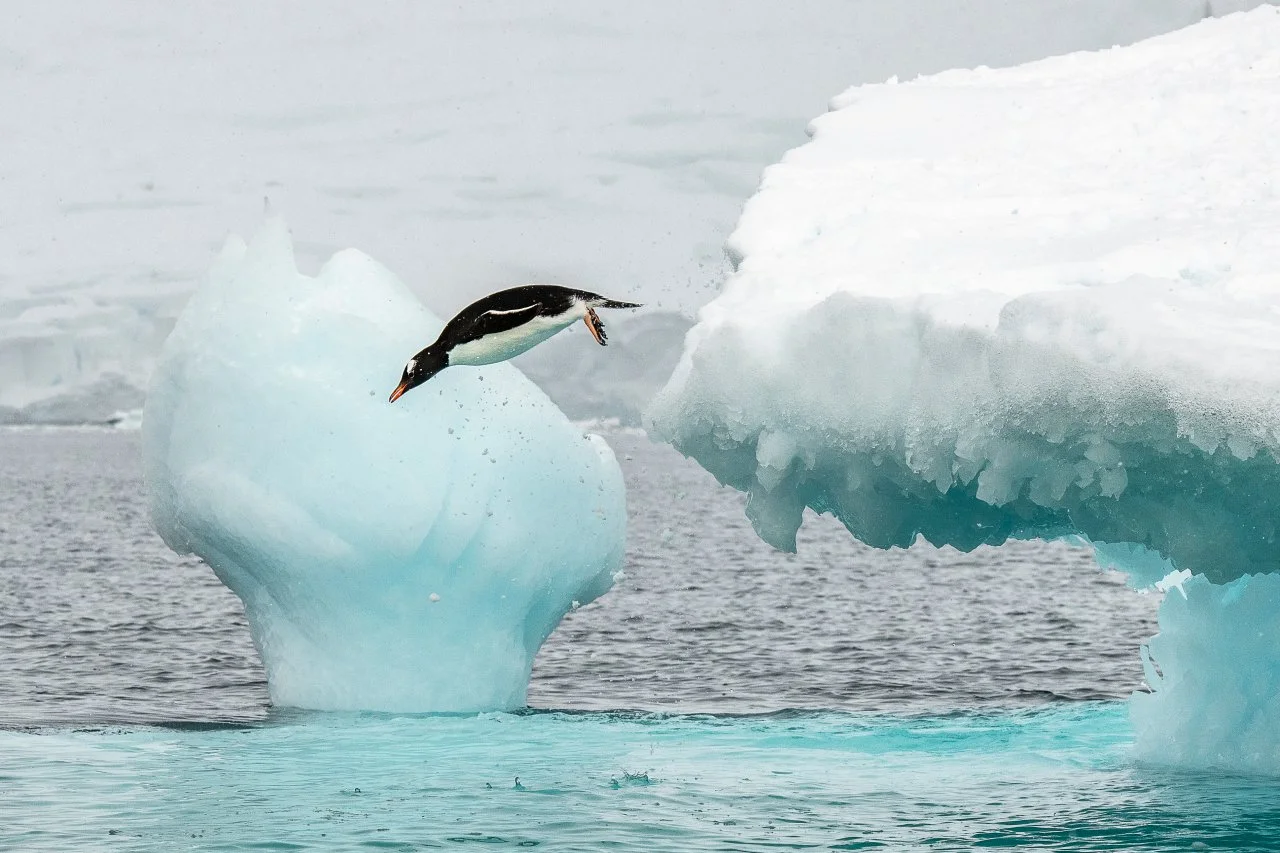
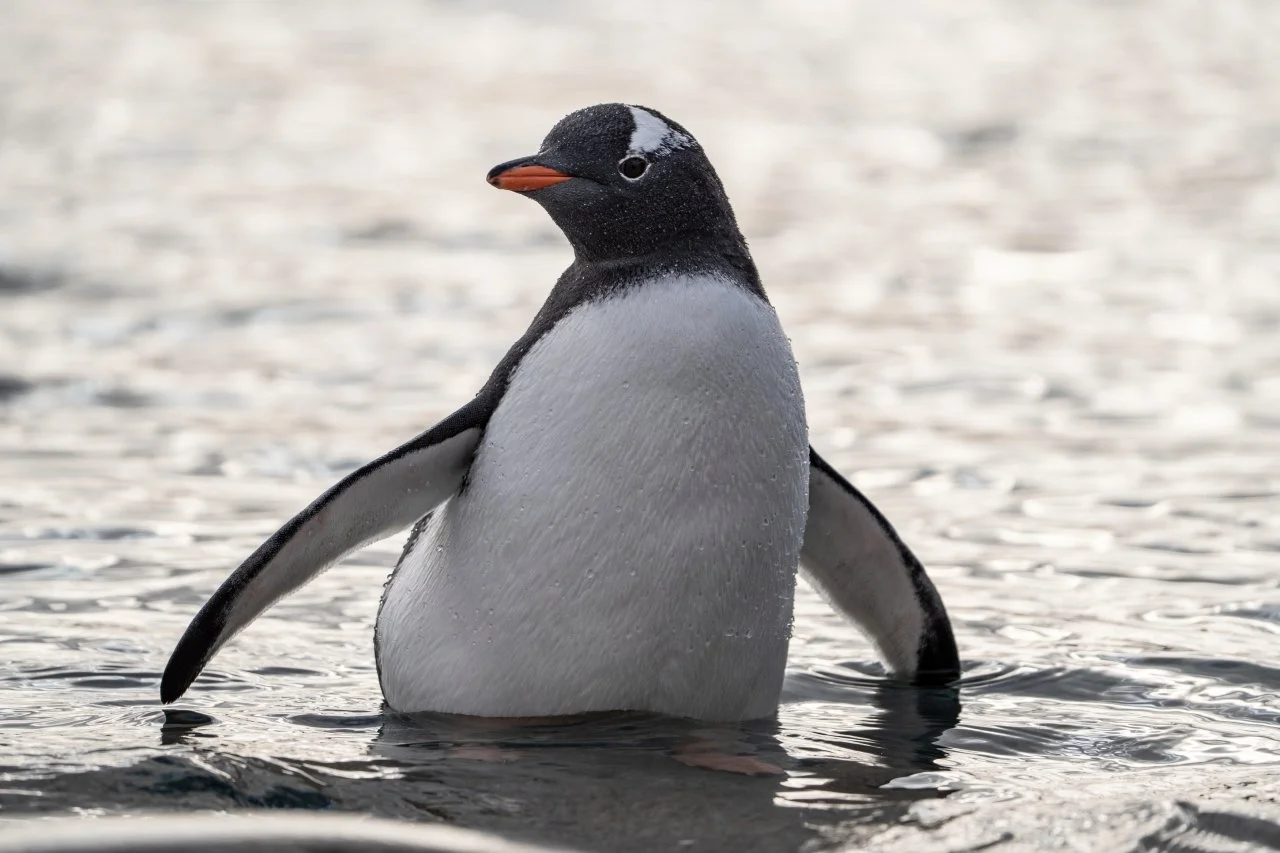
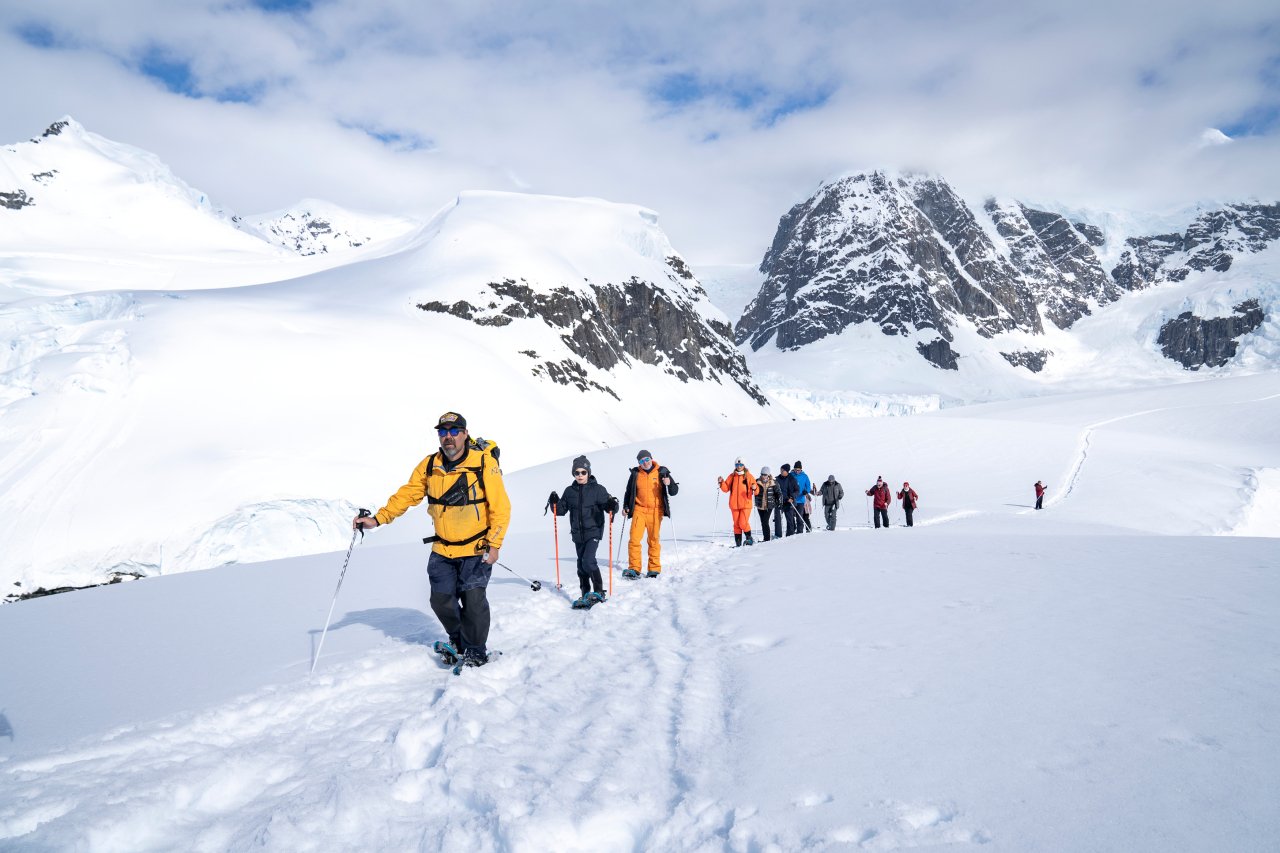
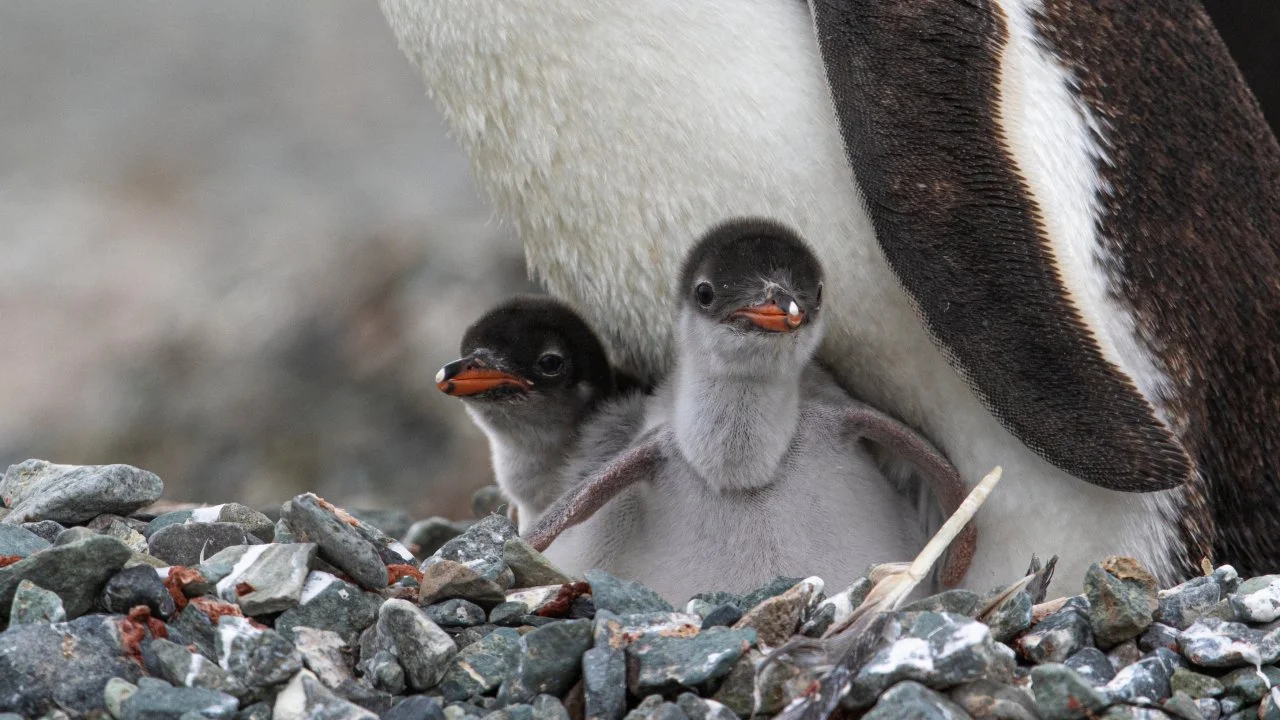
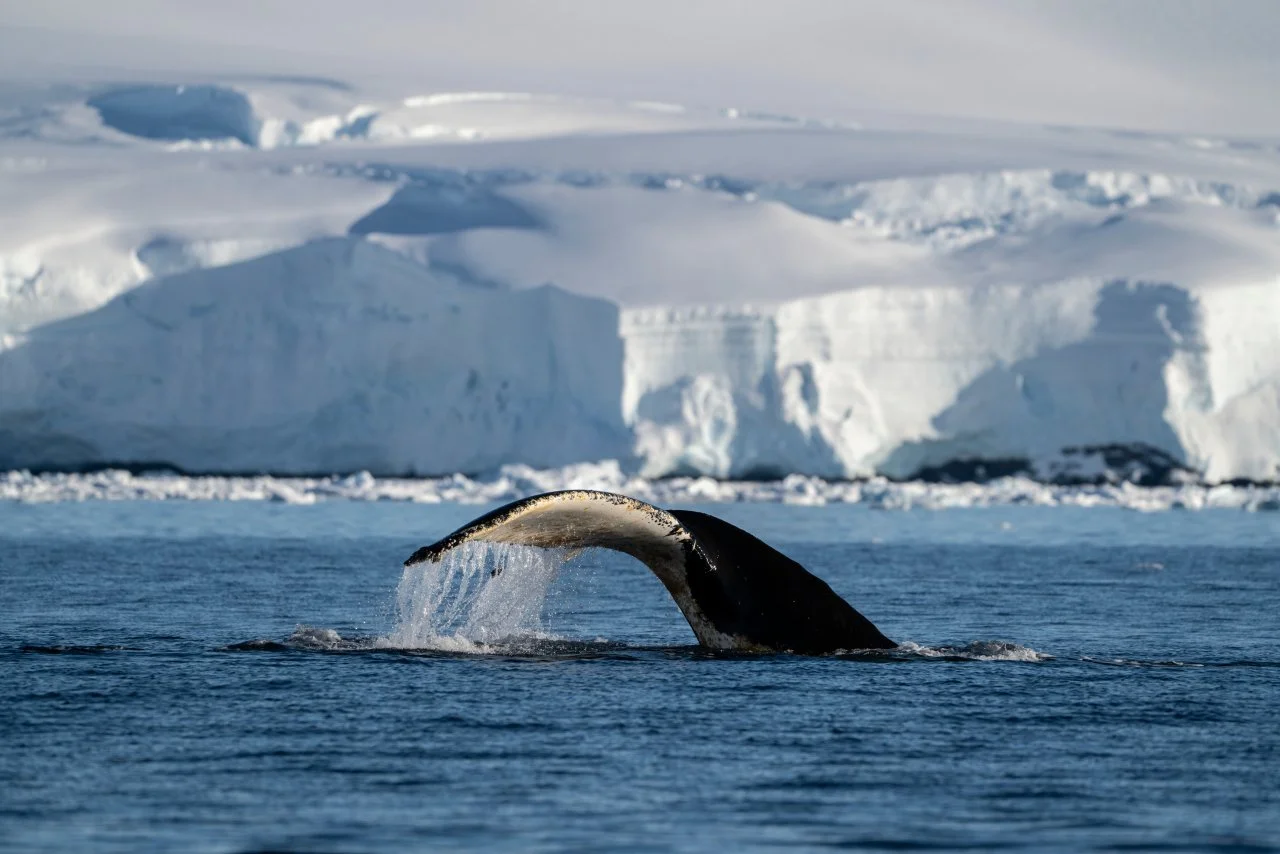
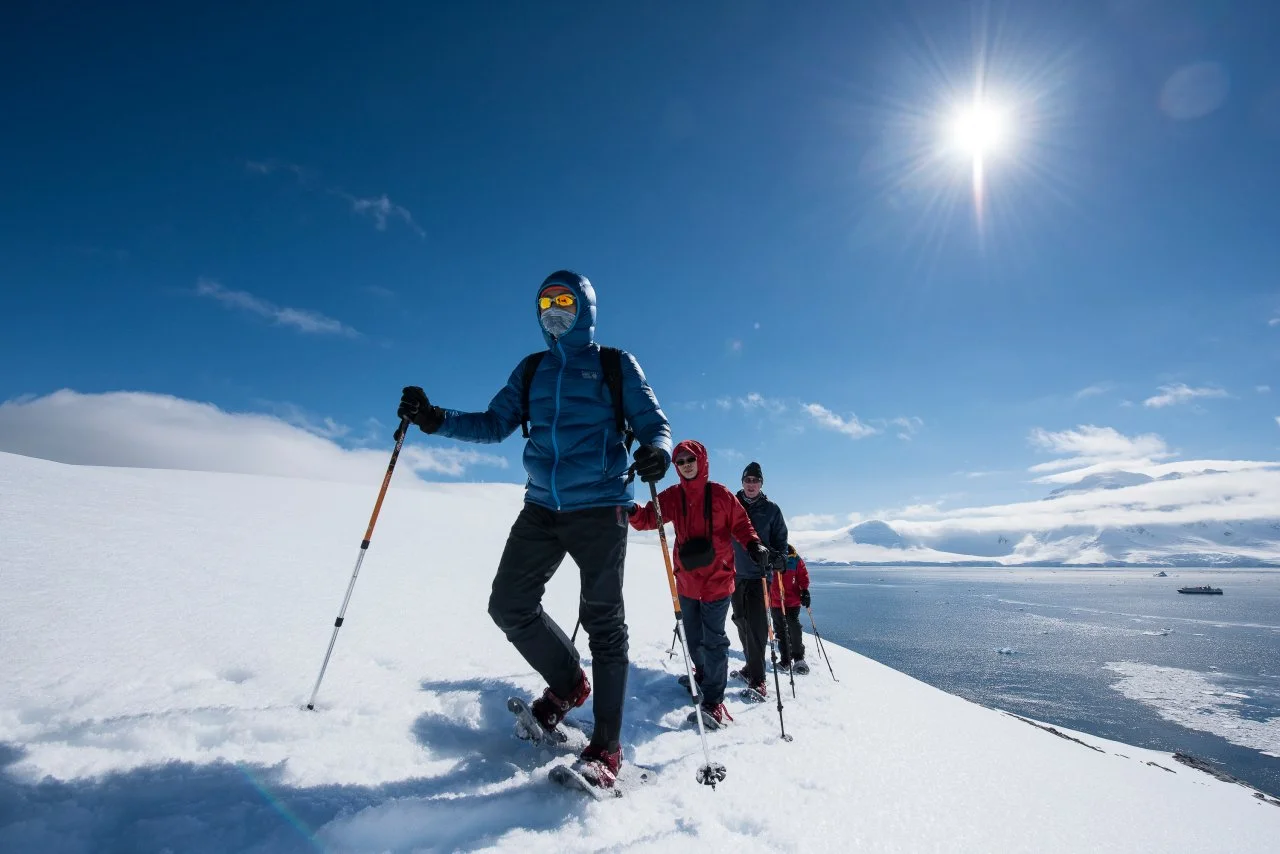
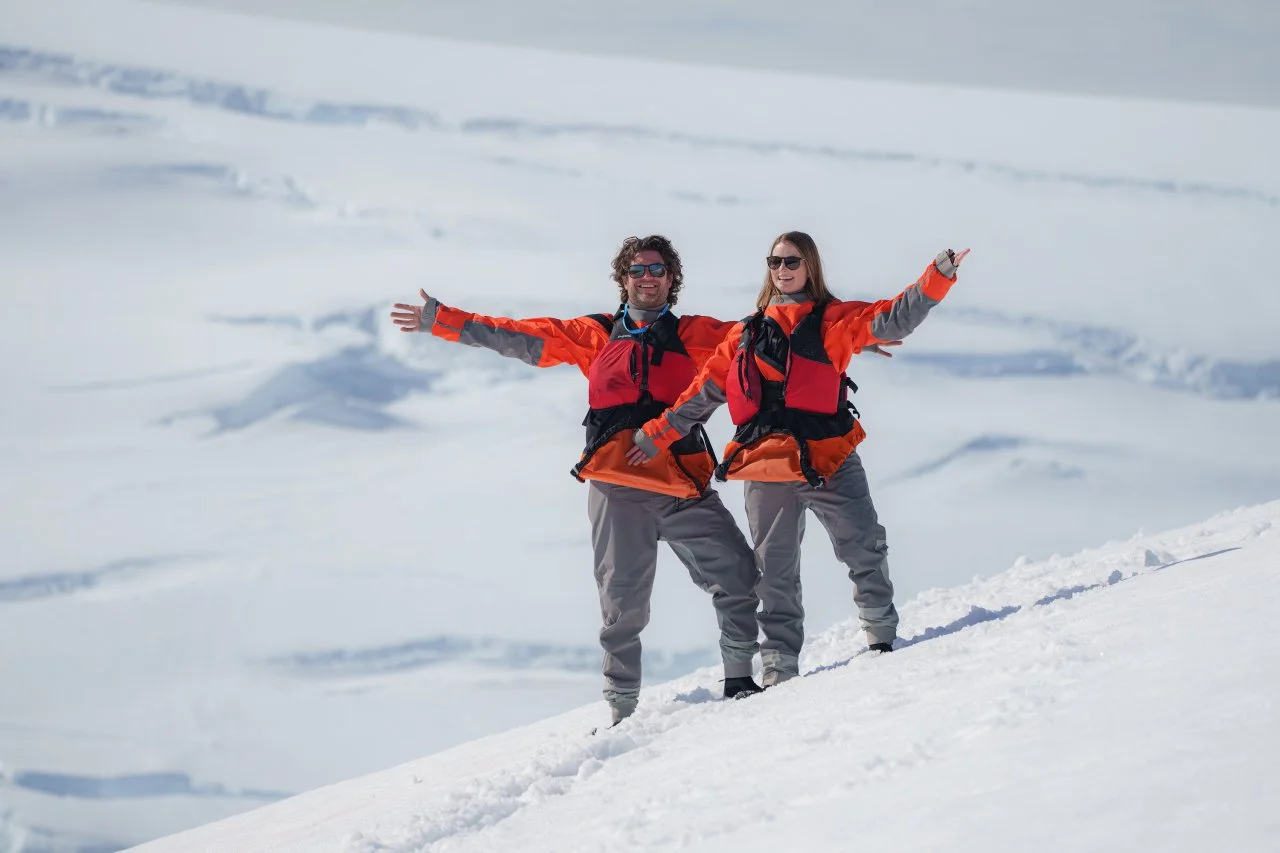
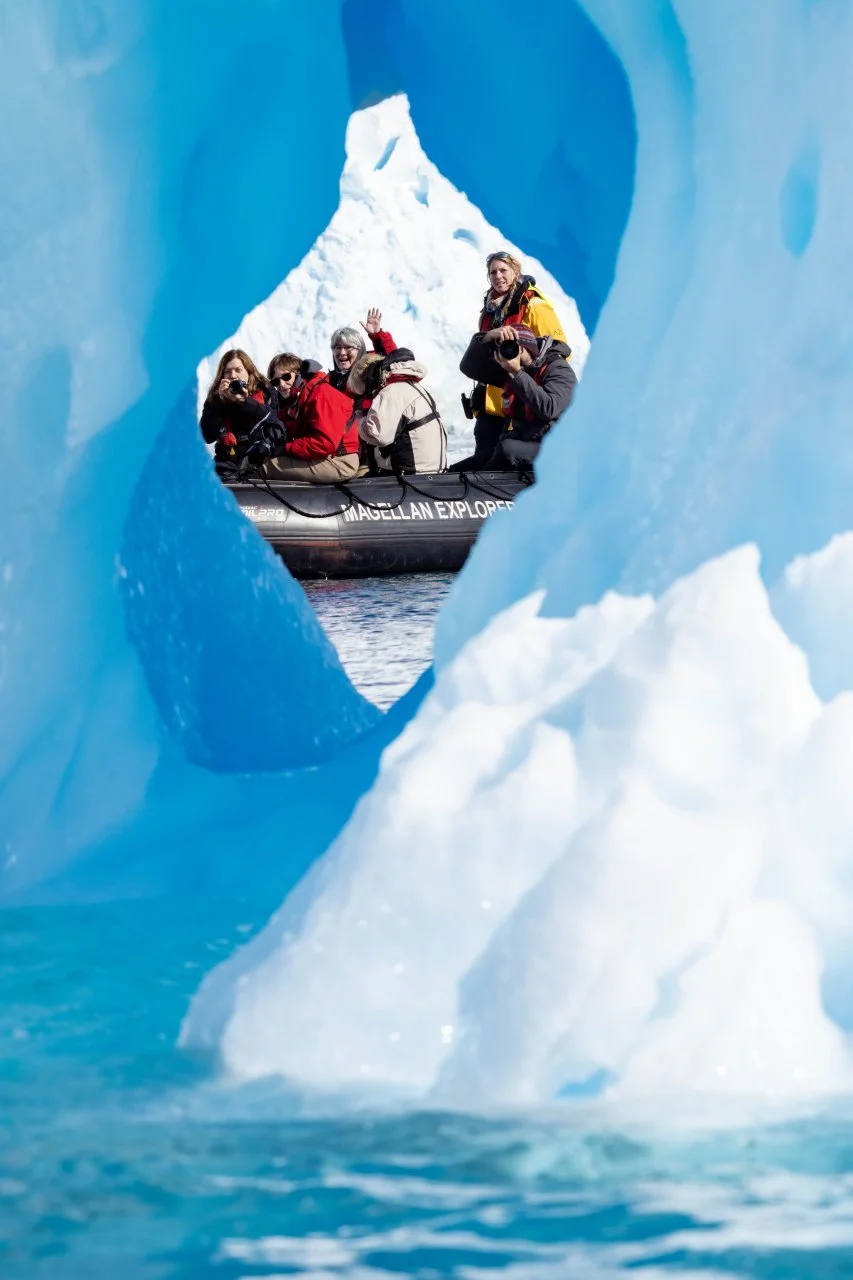
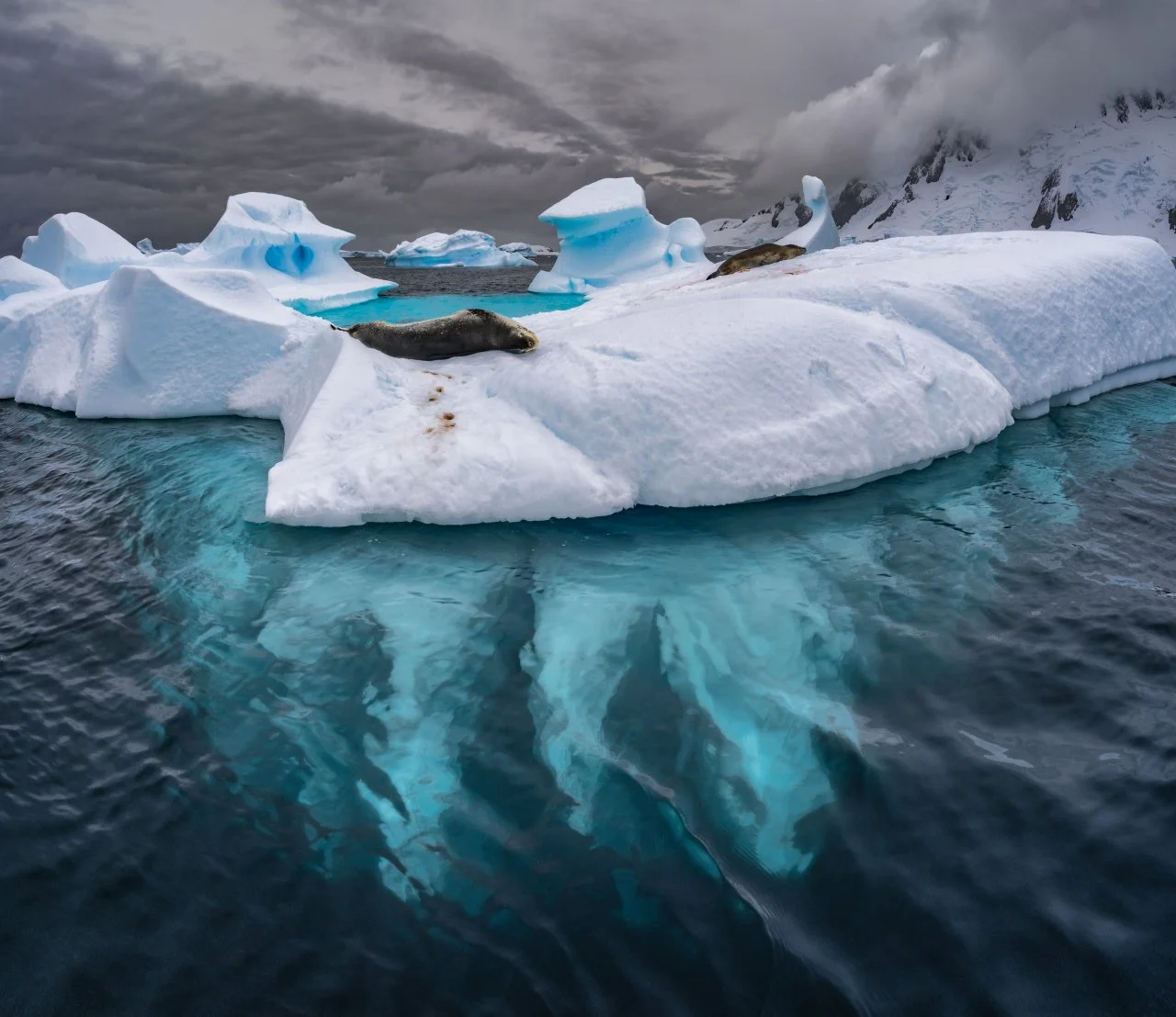
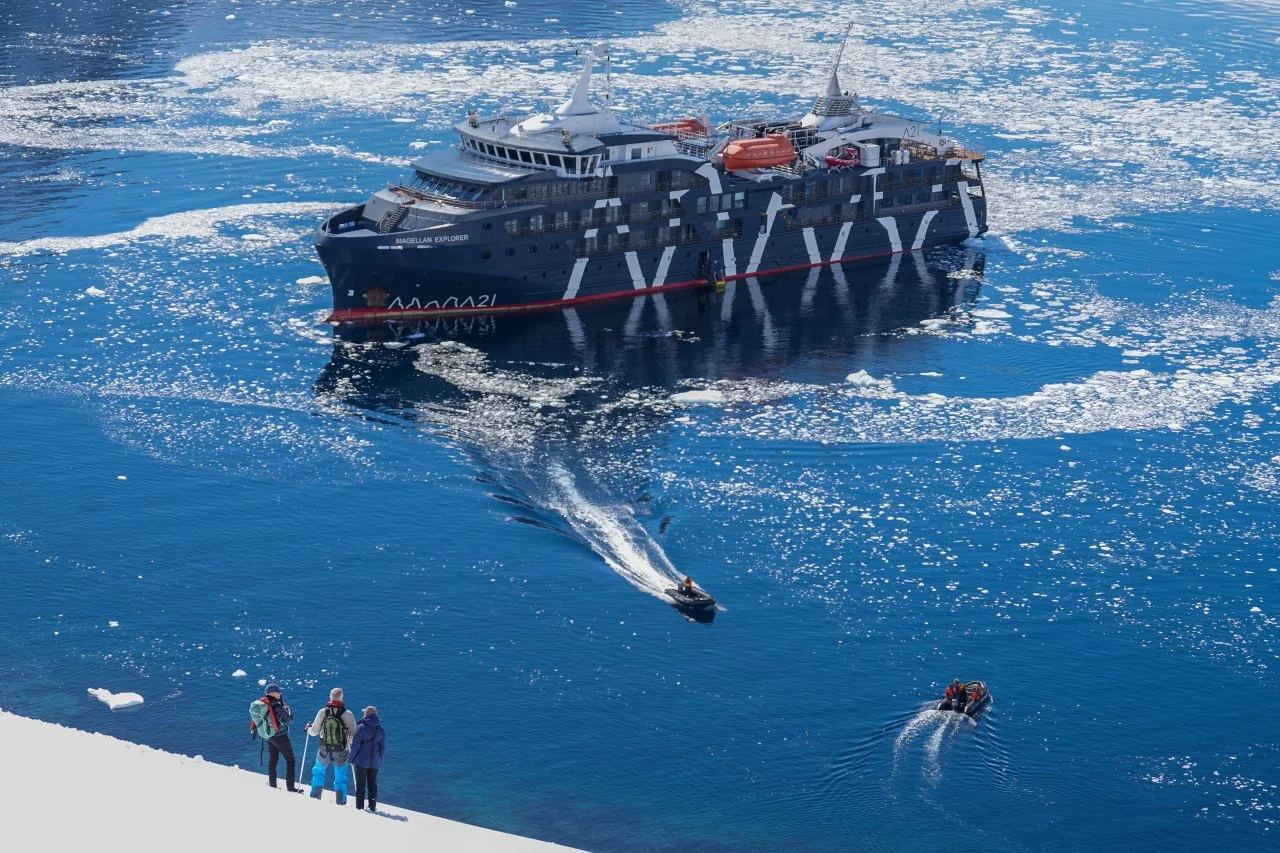
For four remarkable days, we explore the South Shetland Islands and the western coast of the Antarctic Peninsula. We sail through ice-filled fjords and among sculpted blue icebergs, accompanied by penguins, seals, seabirds, and—if we are fortunate—whales surfacing in quiet bays. Each day brings multiple Zodiac landings, allowing us to step ashore with expert polar guides and experience the landscape up close. We may visit places such as Paulet Island, Hope Bay, Port Lockroy, Petermann Island, Paradise Bay, Deception Island, or the dramatic Lemaire Channel. No two expeditions are ever the same. Weather, wildlife, and ice shape our route, and flexibility is part of the adventure. Between excursions, we gather for lectures, conversation, and reflection—sharing stories of the day as light shifts across the ice outside.
days 8-9: Return via Drake Passage
Friday, March 24-Saturday, March 25, 2028
We turn north and cross the Drake Passage once more, retracing our route across open water. These days offer space to rest, reflect, and revisit all we’ve witnessed—glaciers calving into silent bays, penguins moving in improbable abundance, the vastness of ice and sky stretching beyond the imagination. The pace softens. We linger on deck, watching seabirds follow the ship and scanning for whales surfacing in the distance. In the lounge, we gather for final presentations and conversation, weaving together science, history, and personal reflection. Gradually, the experience begins to settle into memory, carrying its perspective forward with us long after we return home.
day 10: Ushuaia | Disembark
Sunday, March 26, 2028
We arrive back in Ushuaia in the early morning, easing once more into the familiar outline of mountains and harbor. After breakfast, we disembark and say our farewells, carrying with us the scale, silence, and altered perspective of the southernmost continent. Flights from Ushuaia typically connect through Buenos Aires, and we recommend allowing ample time for onward travel, as weather in this region can occasionally affect schedules. Whether you continue exploring Argentina or begin your journey home, the experience of Antarctica lingers—quiet, expansive, and difficult to put into words.
The Magellan Discoverer:
Our Floating Basecamp
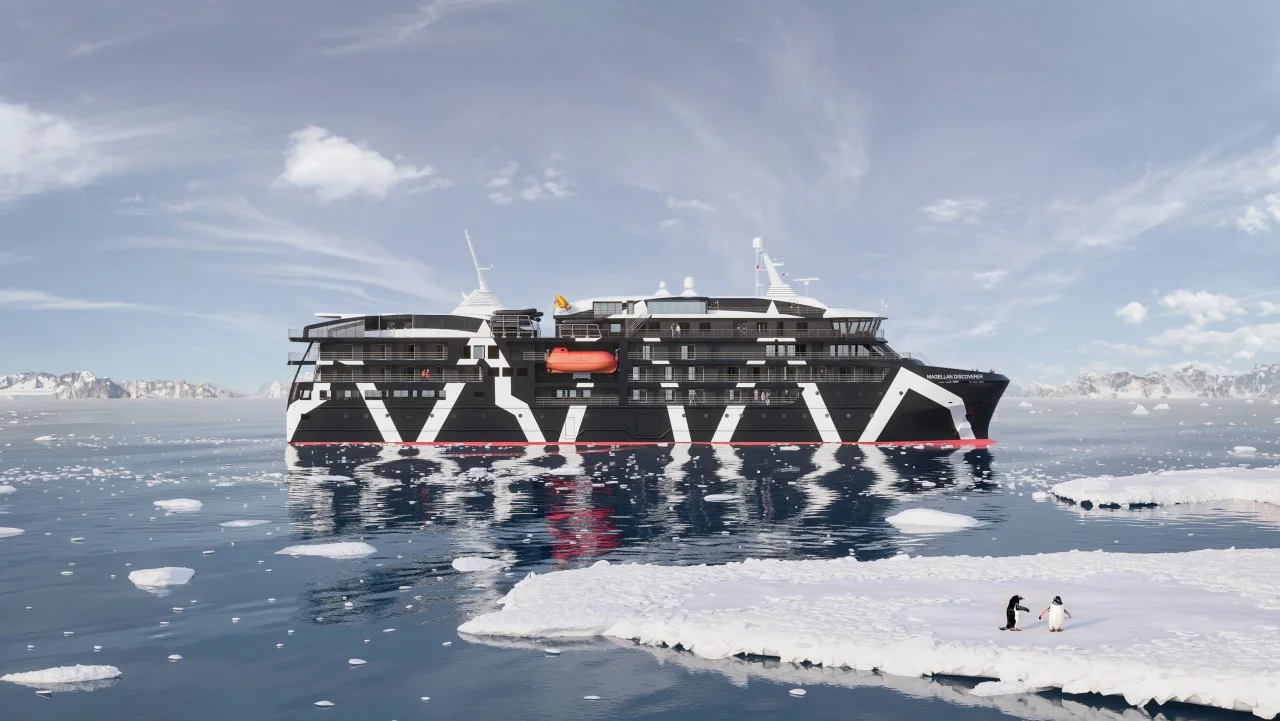
This expedition is in partnership with Antarctica 21. We will charter the brand-new Magellan Discoverer, South America’s first hybrid-electric polar expedition ship.
Purpose-built for Antarctic waters, she combines advanced polar capability with sustainable innovation:
Equipped with cutting-edge gyroscopic stabilization, ensuring exceptional stability and comfort in rough seas
Hybrid-electric propulsion system that reduces fuel consumption and emissions
Polar Class 6 ice rating and reinforced double hull
Quiet maneuverability that minimizes wildlife disturbance
Heat recovery systems for efficient energy use
With less than 100 guests, 10 Zodiacs, and a design that prioritizes access to the landscape, the ship feels less like a cruise liner and more like a floating basecamp.
We’ll be supported by a team of seasoned polar guides, academics, veteran ship captains, and Antarctic experts who know the region’s unique geography, natural history, wildlife, and ecology—and delight in sharing that knowledge with us!
All cabins feature private balconies opening directly to Antarctic air and endless horizon. Interiors are warm, modern, and refined without feeling removed from the environment outside.
The ship includes:
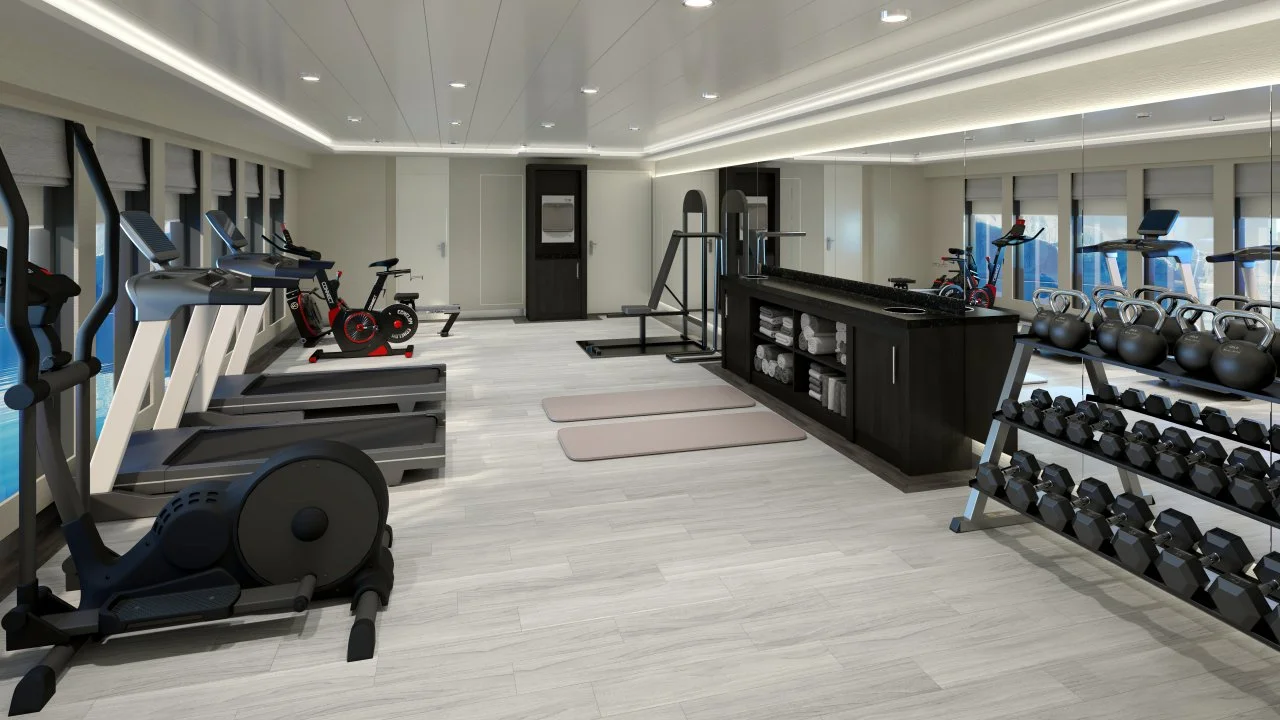
Fitness center
Wet lab for onboard learning
Single seating dining that keeps our community together
A panoramic observation lounge
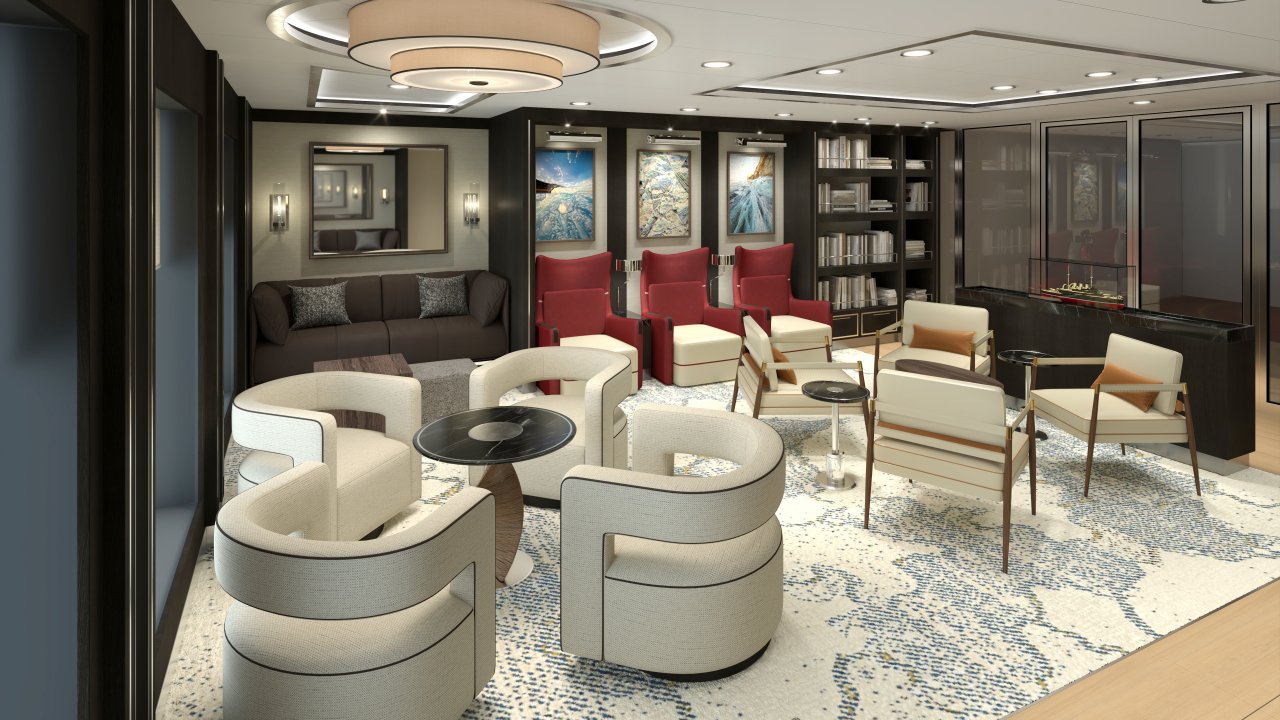
Library and lecture rooms
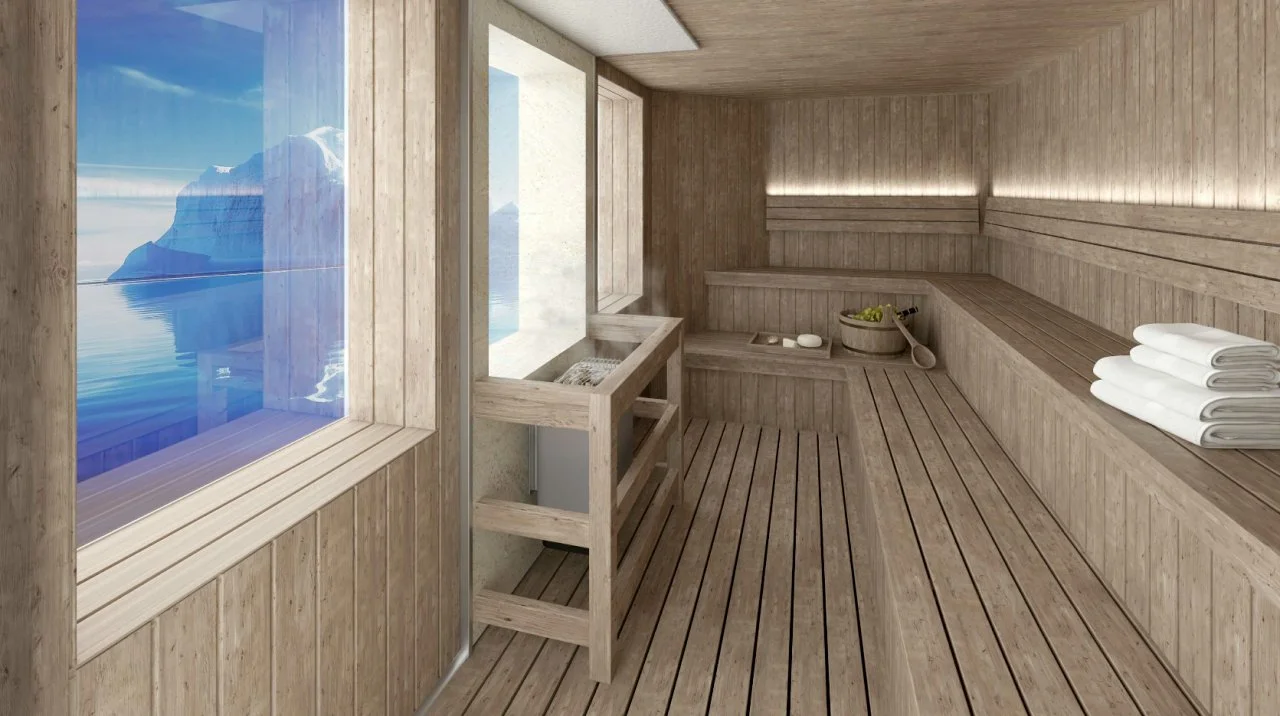
Sauna overlooking ice fields
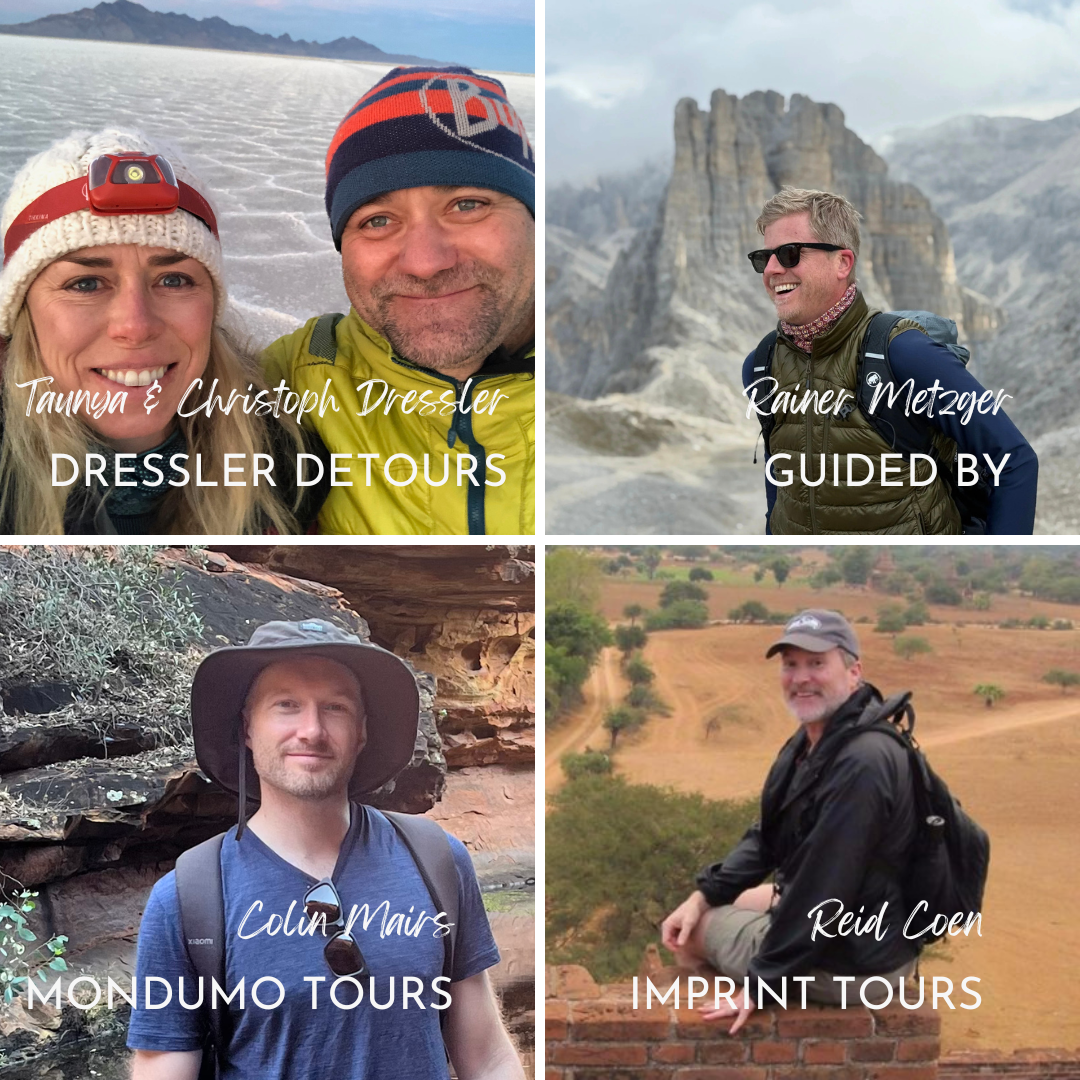
A Reunion at the Edge of the World
Nearly two decades ago, the five of us found ourselves guiding tours side by side in our early years with Rick Steves, learning not just the mechanics of travel, but the philosophy behind it: small groups, intentional pacing, curiosity over checklists, depth over speed. Those early years shaped us, and eventually the companies we built: Dressler Detours, Imprint Tours, Guided By, and Mondumo Tours—each grounded in the belief that thoughtful travel expands how we see the world and ourselves.
While most Antarctic cruises invite you to sail with hundreds—sometimes thousands—of fellow passengers, this is something altogether different.
In March 2028, we reunite not out of nostalgia, but to charter an entire small expedition ship exclusively for our travel communities. Four companies. Fewer than 100 guests. One shared ethos. A floating community of engaged, intellectually curious travelers who value conversation as much as landscape.
Together, we are creating a rare Antarctic experience shaped by philosophy as much as logistics—a convergence of friendship, intention, and place at the most extraordinary classroom on Earth.




FAQs
-
Your expedition is fully inclusive, designed so you can focus on the experience rather than logistics.
Included in your journey:
All scheduled Zodiac landings and guided shore excursions
Expert expedition team and onboard lectures
Waterproof boots for all landings
All onboard meals, including buffet breakfast and lunch, and table-service dinner
Wine, beer, juice, and soft drinks with lunch and dinner
Coffee, tea, water, and snacks throughout the day
Special welcome and farewell gatherings
Because we have chartered the entire vessel, there are no optional excursion add-ons or hidden fees once you are on board. This is a thoughtfully designed, seamless experience from embarkation to disembarkation.
International flights, pre- or post-trip accommodations, and travel insurance are not included.
-
No. International and domestic airfare to and from Ushuaia, Argentina, is not included in the expedition price.
Most travelers will fly into Buenos Aires before connecting onward to Ushuaia. We recommend booking flights early and allowing ample time for connections, as weather in southern Argentina can occasionally affect schedules.
While we do not arrange airfare directly, we are happy to provide general guidance on routing and timing to help you plan your journey with confidence.
-
Our expedition begins in Ushuaia, Argentina, the southernmost city in the world and the gateway to Antarctica.
We embark from the port of Ushuaia in the afternoon of Day 1, sailing through the Beagle Channel before turning south toward the Drake Passage. Detailed embarkation instructions, hotel recommendations, and arrival guidance will be provided well in advance of departure.
We recommend arriving in Ushuaia at least one day prior to embarkation to allow for travel delays and to begin the journey in a relaxed, unhurried way.
-
You will fly into Ushuaia, Argentina (USH), the southernmost city in the world and the embarkation point for our expedition.
Most international travelers connect through Buenos Aires (EZE for international arrivals; AEP for domestic departures to Ushuaia). We strongly recommend arriving in Ushuaia at least one day prior to embarkation to allow for potential weather delays and to ensure a relaxed start to the journey.
Boarding in Ushuaia is between 15:00 and 16:00 on embarkation day, and the ship cannot delay departure for late arrivals. Detailed flight guidance and recommended arrival timelines will be provided well in advance of departure.
-
Please plan to arrive one day prior to embarkation.
-
The initial $2,000 deposit is non-refundable after 30 days from booking, as it secures your cabin on this limited full-ship charter.
Payment schedule details are as follows (based on Veranda Deluxe Cabin):
If you register in 2026:
$2,000 deposit at time of booking (non-refundable)
$2,500 second payment due November 1, 2026
$2,500 third payment due March 1, 2027
$2,500 final payment due November 1, 2027
The final balance is due November 1, 2027.
If you are unable to travel and we are able to fill your space with another traveler, we will issue a credit for payments made (excluding the non-refundable portion). Credits are valid for two years and may be applied toward a future departure with Dressler Detours.
We strongly recommend comprehensive travel insurance to protect your investment.
-
Yes. Comprehensive travel insurance, including emergency evacuation coverage, is required for participation in this expedition.
Antarctica is remote, and while safety protocols are rigorous, medical facilities are limited. Travel insurance provides essential protection in the event of trip interruption, delay, or medical need.
We will provide recommended coverage guidelines and are happy to discuss options if you have questions.
-
Due to the nature of this expedition and the limited number of cabins on board, single-occupancy accommodations are not available.
Antarctic vessels are designed with a finite number of staterooms, and chartering the entire ship means we must prioritize shared occupancy in order to maximize participation for our community. If you are traveling on your own, we are happy to assist in pairing you with a compatible roommate when possible.
If you have questions about cabin configurations or would like to discuss options, please reach out—we’re glad to talk through the details with you.
-
Yes, families are welcome on this expedition. That said, Antarctica is not a typical vacation environment. Days can be long, weather conditions unpredictable, and shore landings require stepping in and out of Zodiacs and walking on uneven terrain in cold conditions.
For these reasons, this journey is best suited to older children and teens who are genuinely curious, adaptable, and comfortable in an active, expedition-style setting. There are no onboard children’s programs or structured entertainment; the experience is immersive and educational by design.
If you are considering traveling as a family, we’re happy to discuss whether this voyage is a good fit for your particular circumstances.
-
No. From embarkation in Ushuaia, the ship’s crew will handle your luggage and deliver it directly to your cabin. On disembarkation day, your bags will once again be transported for you.
During the voyage, you’ll only need to manage a small daypack for shore landings—typically carrying your camera, gloves, hat, and any personal items you may want while exploring. Waterproof boots for landings are provided on board and stored in the Zodiac embarkation area for easy access.
Our goal is for you to focus on the experience, not the logistics.
-
Satellite internet is available on the ship and accessible wirelessly throughout public areas and cabins. That said, connectivity in polar regions can be limited and slower than at home.
Many travelers find this to be a welcome opportunity to disconnect and be fully present in the experience. We encourage you to think of this voyage as a rare chance to step away from constant digital demands.
-
Yes. The ship’s culinary team can accommodate most dietary restrictions and preferences with advance notice.
Please inform us of any allergies or special dietary needs at the time of booking so arrangements can be made prior to departure. Meals on board are thoughtfully prepared, and the dining experience is relaxed, communal, and welcoming.
-
Antarctica rewards thoughtful layering. We recommend bringing:
A waterproof, insulated parka (details on whether one is provided will be shared)
Base layers (merino or synthetic)
Mid-layers such as fleece or down
Waterproof pants for Zodiac landings
Warm hat, gloves (waterproof recommended), scarf or neck gaiter
Sunglasses with UV protection
Comfortable indoor clothing for time on board
Waterproof boots for shore landings are provided. A detailed packing list will be sent well in advance of departure to help you prepare with confidence.
-
Most travelers connect to Ushuaia via domestic flights within Argentina, which may have stricter baggage weight limits than international carriers. We recommend reviewing your airline’s specific policies in advance.
Because this is an expedition environment, packing efficiently is helpful. Our team will provide guidance to help you balance warmth, comfort, and airline requirements.
-
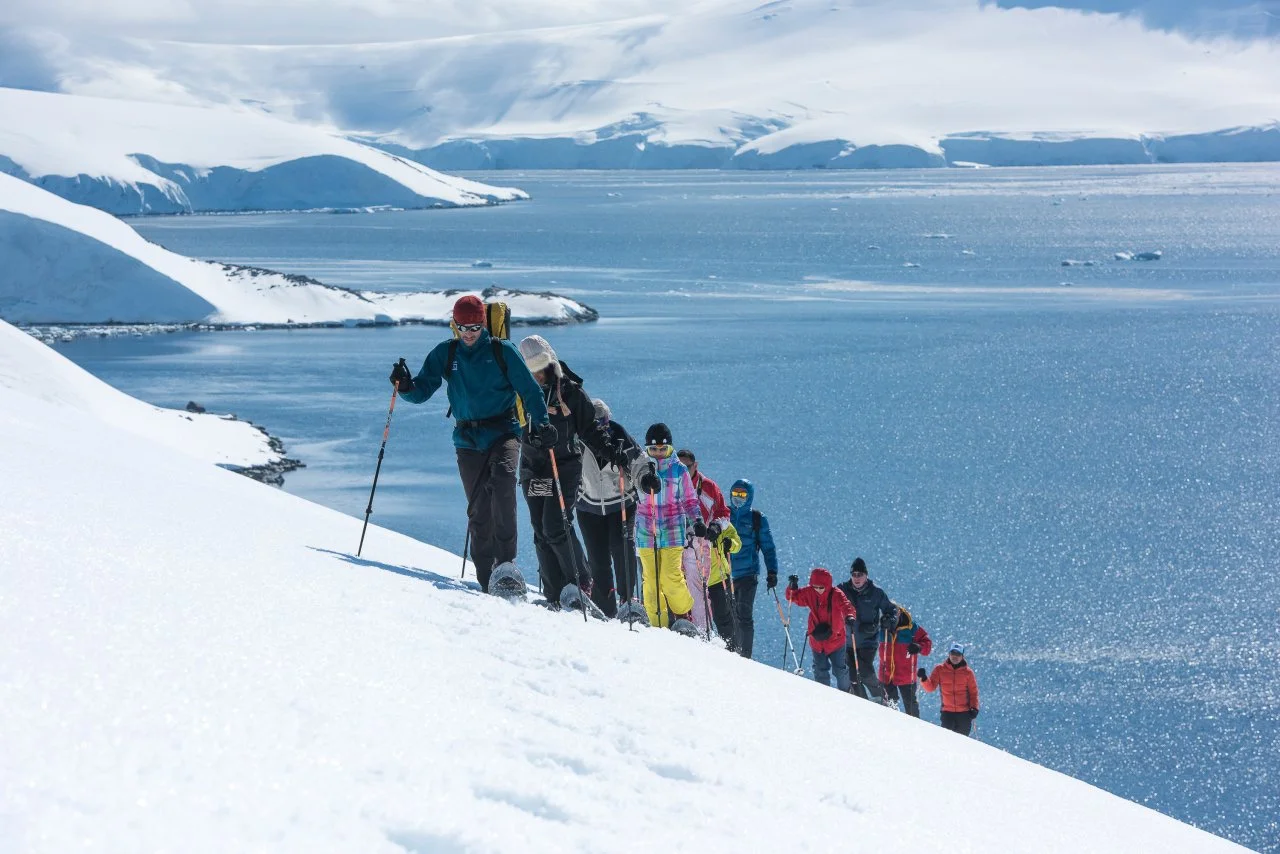
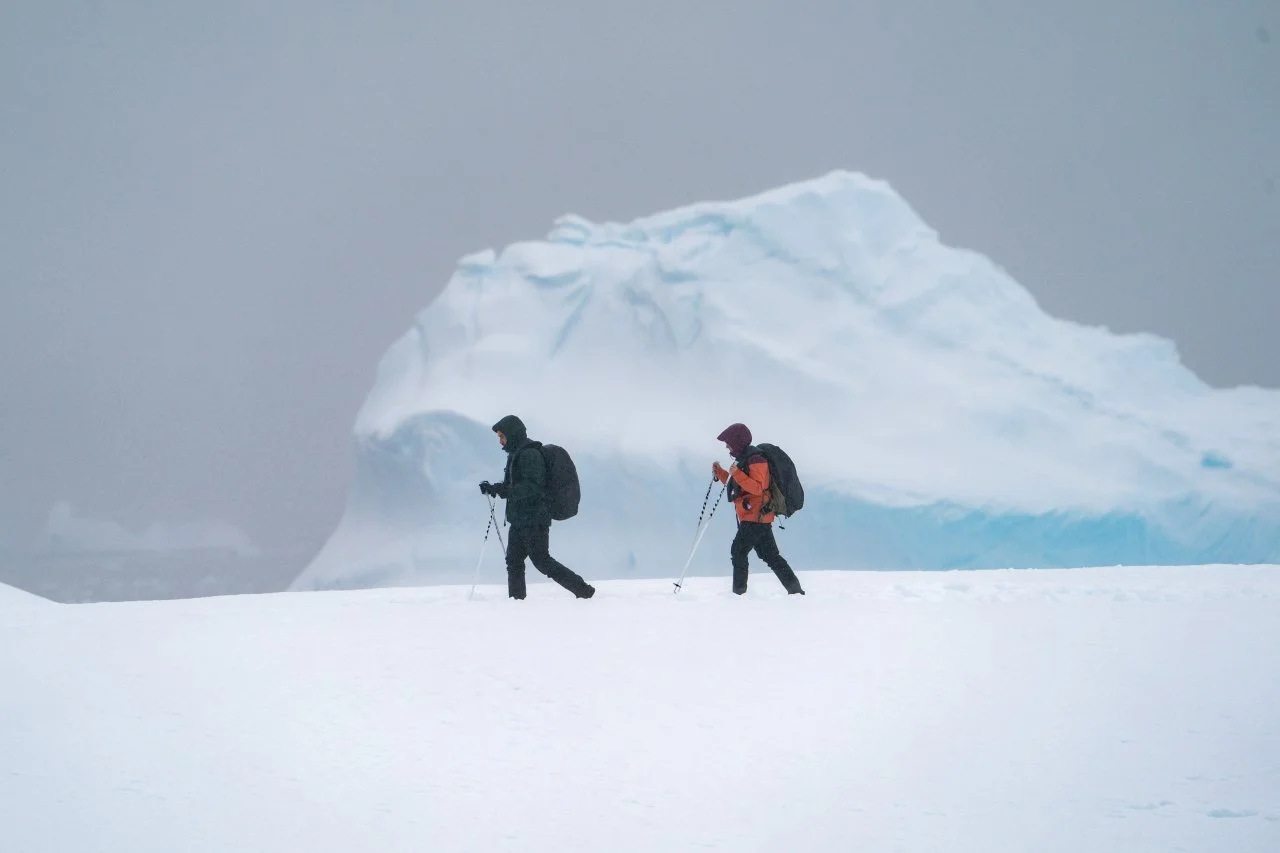
This is an active expedition, but it does not require technical skills or extreme fitness. Most days include multiple Zodiac landings and walks on uneven terrain such as rocky beaches, snow, or gentle inclines.
You should feel comfortable:
Stepping in and out of a Zodiac (with assistance from crew)
Walking for up to 1–2 hours at a time
Standing outdoors in cold conditions
There are no forced marches, and activities are paced thoughtfully. That said, Antarctica is a dynamic environment, and flexibility is part of the experience.
If you have specific mobility concerns, we’re happy to discuss them with you directly.
-
The Drake Passage has a well-earned reputation. It can range from remarkably calm (“the Drake Lake”) to lively (“the Drake Shake”).
Our expedition vessel is purpose-built for polar waters, with advanced stabilization systems for safety and comfort. Many travelers find the crossing manageable, especially with modern ships and a good sense of humor.
If you are prone to motion sickness, we strongly recommend coming prepared with medication or remedies. We’re happy to provide guidance on options.
For many, crossing the Drake becomes part of the story — a true rite of passage into Antarctica.
-
Our expedition is limited to fewer than 100 guests, creating an intimate and collegial atmosphere on board. Because we are chartering the entire vessel, every traveler is part of our shared community—curious, engaged, and drawn to small-group, intentional exploration.
A smaller group size allows for smoother Zodiac landings, more meaningful interaction with our expedition team, and the rare experience of truly getting to know the people you’re traveling with. This is not a large cruise with anonymous crowds, but a floating seminar and field expedition shaped by conversation, connection, and shared discovery.
-
Flexibility is essential in Antarctica. Weather, wind, and ice conditions ultimately determine where and when we are able to land.
Our experienced expedition team continuously monitors conditions and adjusts the route to ensure both safety and the best possible experience. No two Antarctic voyages are ever the same — and that unpredictability is part of what makes each expedition unique.
Rather than following a rigid checklist, we travel responsively, guided by nature itself.
-
Wildlife sightings vary with location and conditions, but the Antarctic Peninsula is home to remarkable abundance. Depending on the season and our route, we may encounter:
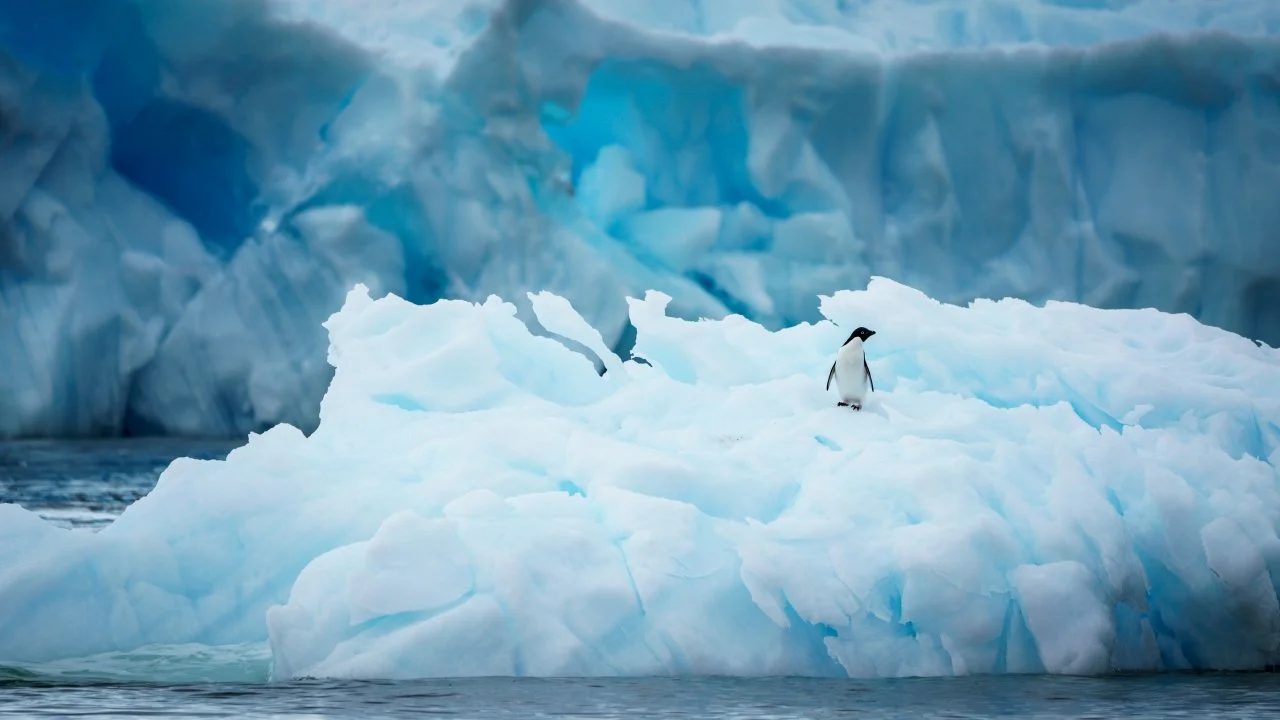
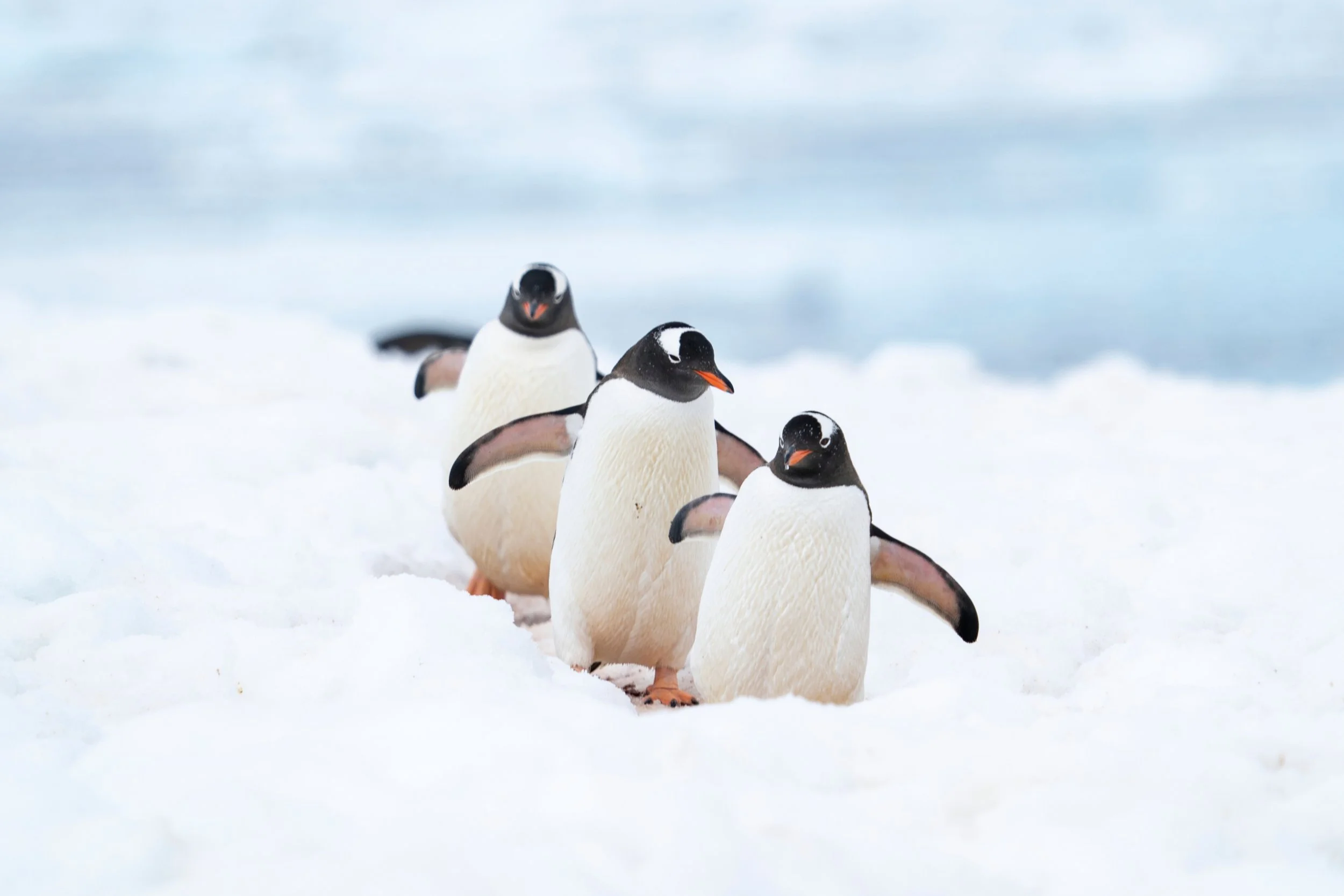
Adélie, Gentoo, and Chinstrap penguins
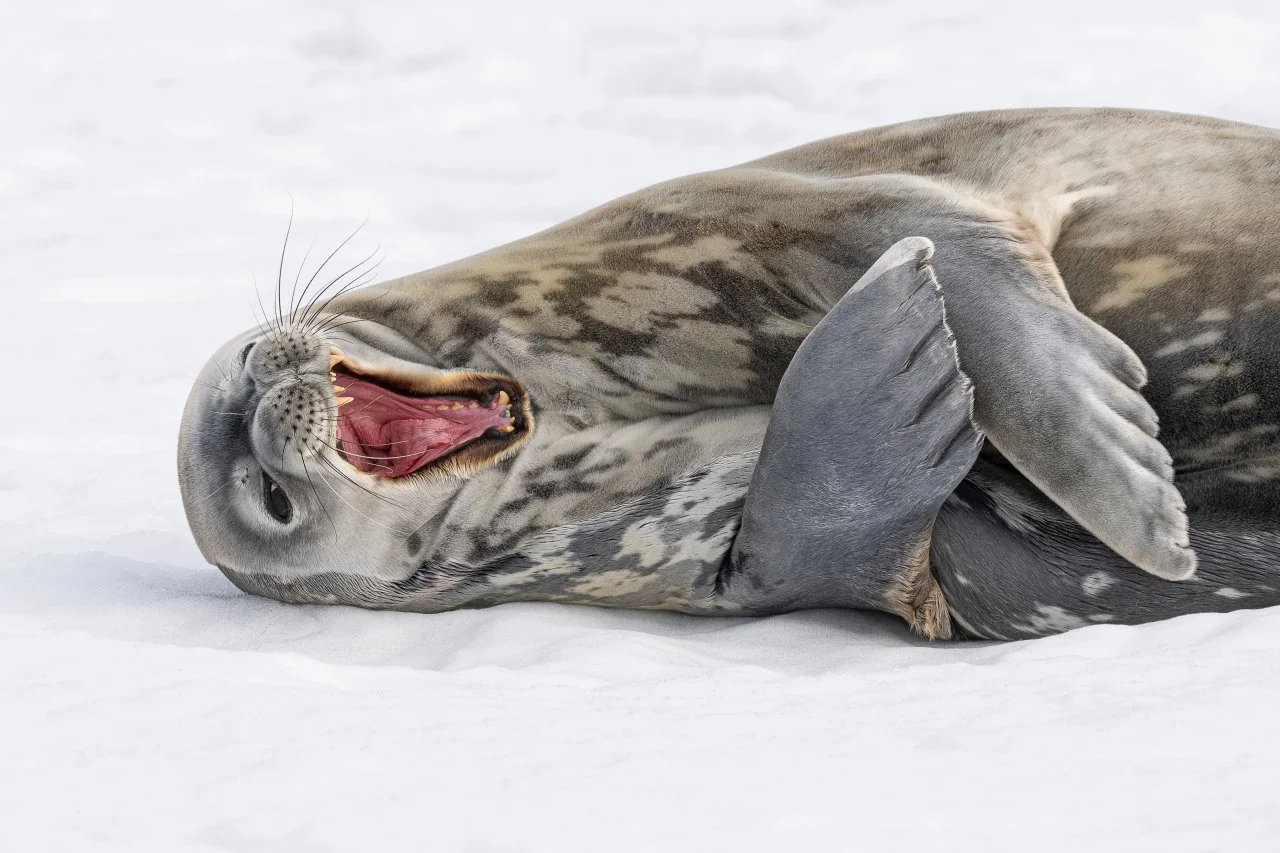
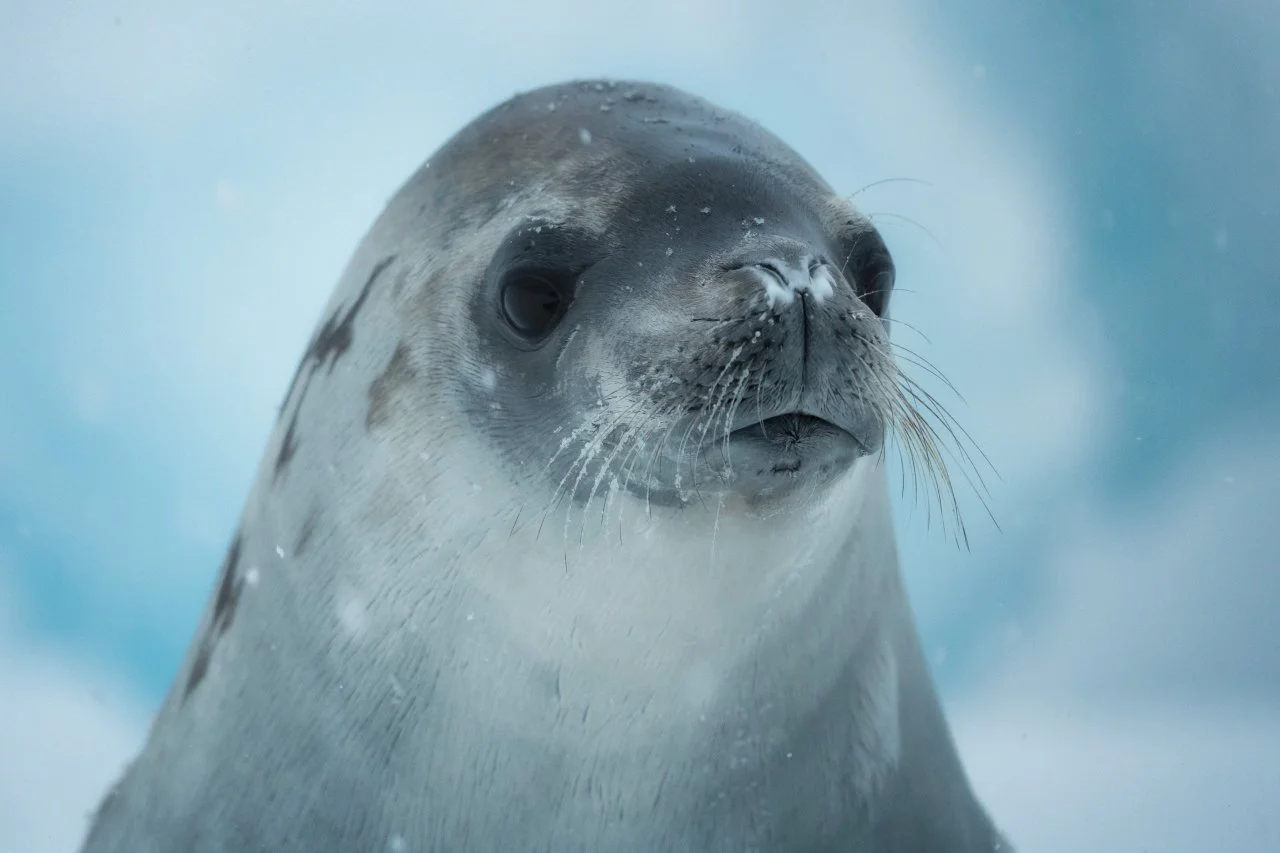
Weddell, Crabeater, and Leopard seals
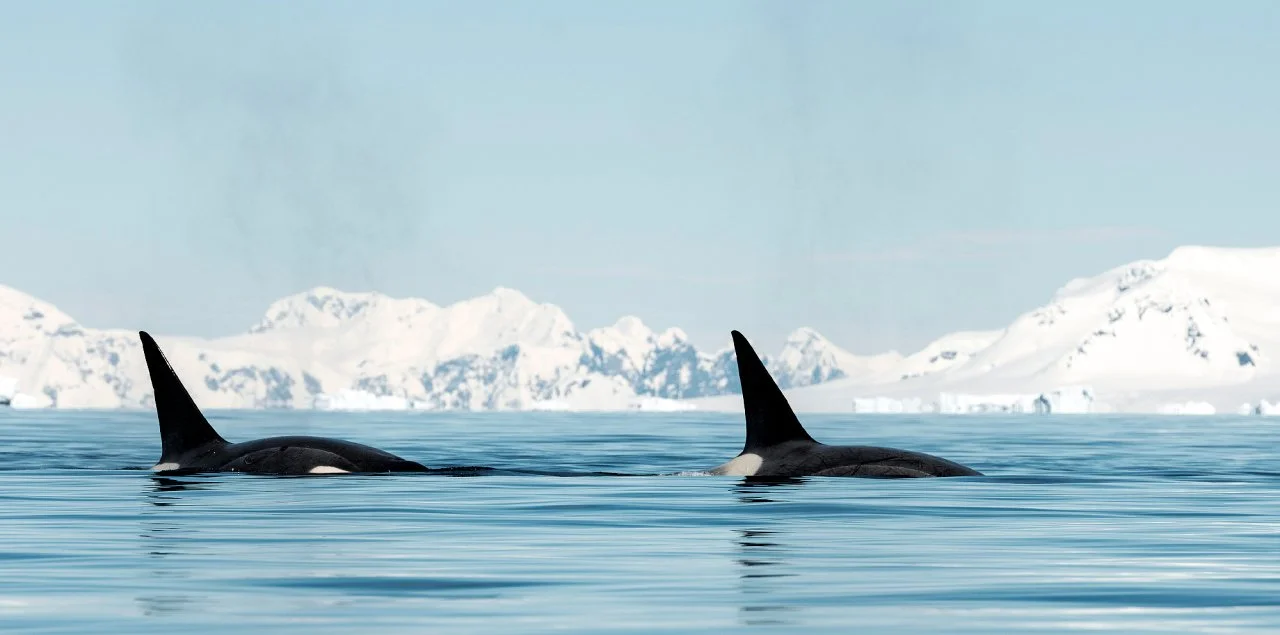
Humpback, Minke, and possibly Orca whales
Albatrosses, petrels, and other seabirds
While wildlife can never be guaranteed, the Antarctic ecosystem offers some of the most extraordinary viewing opportunities on Earth.
-
This journey may not be the right fit if you are seeking a traditional cruise experience with structured entertainment, large crowds, or fixed daily schedules.
Antarctica requires flexibility. Weather and ice conditions shape our route, and plans may change in response to nature. If you prefer predictability and guaranteed port stops, this may feel unfamiliar.
This expedition is active. Shore landings involve stepping in and out of Zodiacs and walking on uneven terrain in cold conditions. If mobility is significantly limited, this environment can present challenges.
And finally, this journey is not designed as a checklist adventure. It is not about ticking off sights. It is about immersion, learning, humility, and shared experience.
If you are drawn to comfort over curiosity, spectacle over study, or certainty over exploration, there are other ways to visit Antarctica.
But if you are curious, adaptable, and eager to engage deeply with one of the planet’s last wild places, you will feel at home here.